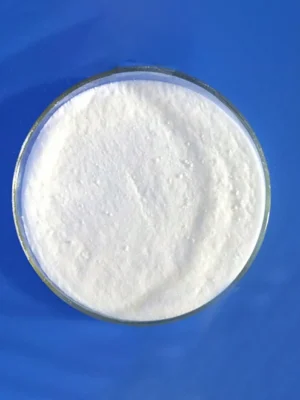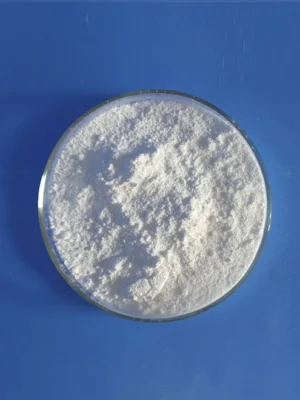

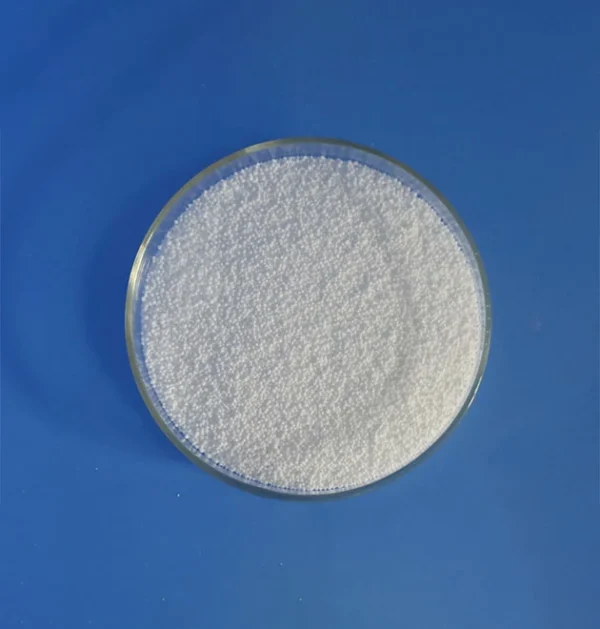
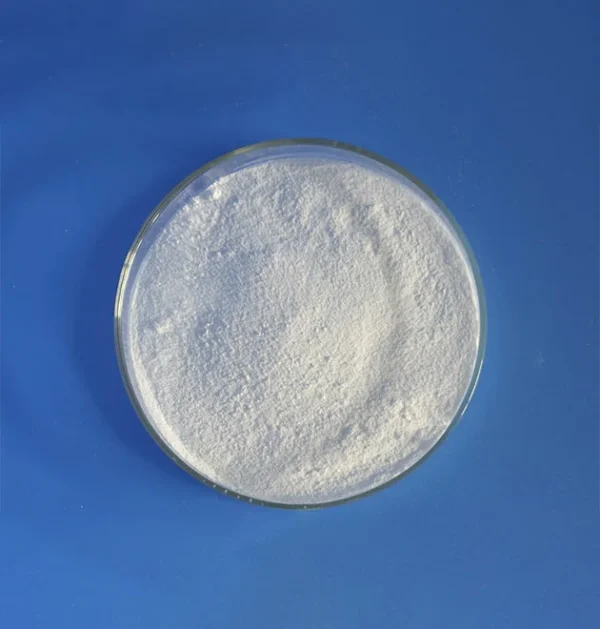
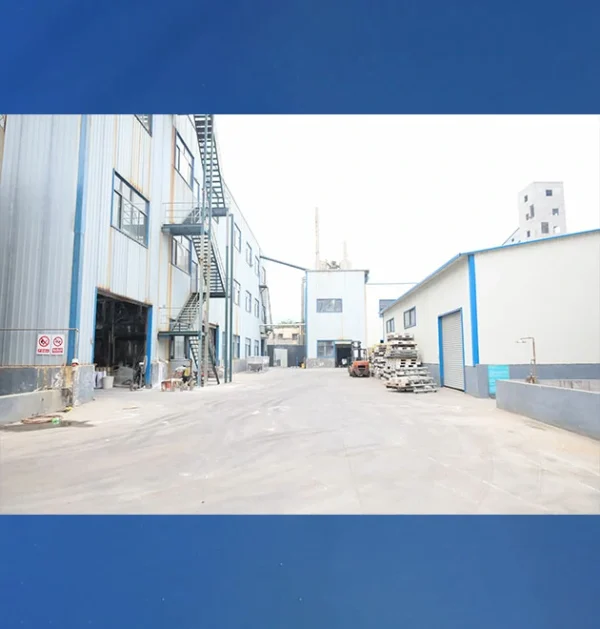
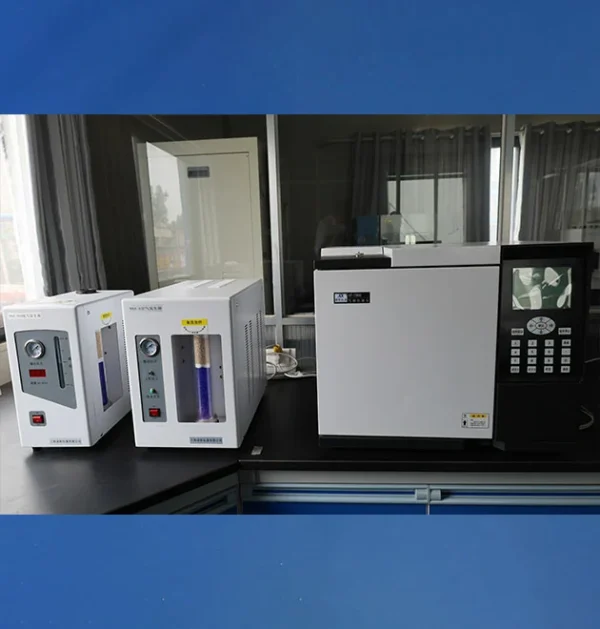
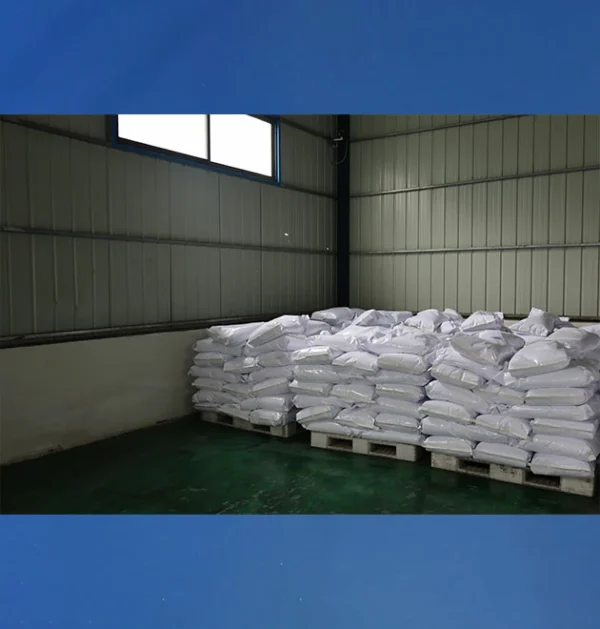




Inconsistent pH control can affect the taste, texture, and shelf stability of processed foods. Our food grade sodium acetate (E262) works as a reliable buffering agent and acidity regulator, helping food manufacturers maintain stable formulations in sauces, seasonings, processed meats, and bakery products.
Technical Support Ensure compliance and safety with our comprehensive product documentation.
pH fluctuations in sauces, dressings, and bakery products can cause inconsistent texture and shorter shelf life. As a reliable buffering agent and acidity regulator, our food grade sodium acetate helps maintain consistent pH control during processing, improving batch-to-batch consistency in sauces, seasonings, and bakery formulations.
Manufactured by Shandong Ruiheng Biotechnology, we supply anhydrous, trihydrate, and granular forms compliant with GB 30603-2014, with export documentation supporting FCC, USP-NF, and JECFA reference standards.
| Parameter | Specification |
|---|---|
| CAS No. | 127-09-3 (anhydrous); 6131-90-4 (trihydrate) |
| EINECS No. | 204-823-8 |
| E Number / INS | E262(i) |
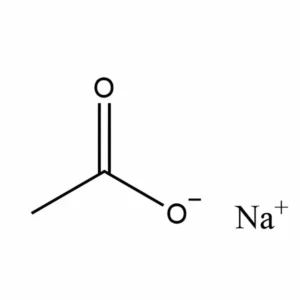
| Molecular Formula | C₂H₃NaO₂ (anhydrous); C₂H₃NaO₂·3H₂O (trihydrate) |
| Molecular Weight | 82.03 g/mol (anhydrous); 136.08 g/mol (trihydrate) |
| Appearance | White crystalline powder/granules (anhydrous); colorless transparent crystals (trihydrate) |
| Assay (dry basis) | ≥ 98.5% |
| pH (1g/100mL solution) | 8.0 – 9.5 |
| Loss on Drying | ≤ 2.0% (120°C, 4h) |
| Water-Insoluble Matter | ≤ 0.05% |
| Chlorides (Cl⁻) | ≤ 0.02% |
| Sulfates (SO₄²⁻) | ≤ 0.02% |
| Heavy Metals (as Pb) | ≤ 10 mg/kg |
| Arsenic (As) | ≤ 3 mg/kg |
| Solubility in Water | Freely soluble |
*Note: Figures above reflect general food-grade specifications. Please request a batch-specific COA to confirm exact values for your specific order and regulatory filing.*
We offer customized purity and particle sizes to meet specific formulation needs. Finer powders are available for rapid dissolution, while coarser granular forms prevent bridging in automated dosing hoppers. Standard packaging includes 25kg PE-lined bags for trials and 500-1000kg jumbo bags for bulk production lines. (Note: This food-grade specification is not intended for industrial uses; buyers sourcing for textile or concrete applications should review our Acetates Series for technical-grade options. For animal nutrition and feed buffering applications, please see our feed grade sodium acetate.)
Both act as pH buffers, but sodium acetate adds sodium to the formulation, while potassium acetate is chosen for sodium reduction (e.g., in low-sodium processed meats). They also differ slightly in solubility, affecting dosing accuracy in dry-blend systems.
Both carry the same E262 regulatory status. Anhydrous is less prone to caking as it contains no bound water. Trihydrate is more sensitive near its 58°C phase-change point and can lose crystal structure if exposed to heat. Keep both forms sealed and moisture-controlled.
Generally, no. Sodium acetate works mainly as a buffer and mild flavor enhancer, not a strong antimicrobial agent. Formulators needing stronger microbial control at low pH should evaluate our Benzoates Series instead.
Approval depends on national organic standards (e.g., USDA Organic, EU Organic) rather than the food additive standard itself. Buyers should confirm with their certifying body, as GB 30603-2014 compliance alone does not guarantee organic status.
Looking for food grade sodium acetate (E262) in standard specification, or a custom purity, particle form, or packaging configuration? Contact us for current pricing, lead times, and a batch-specific COA.