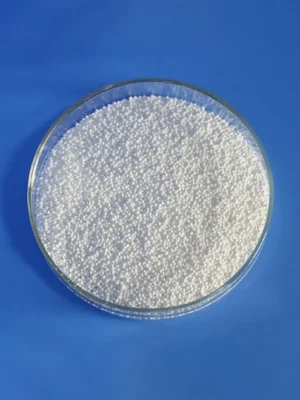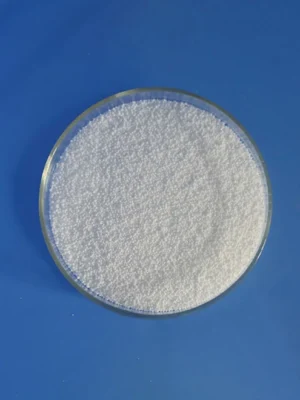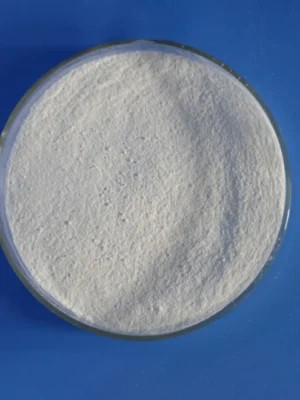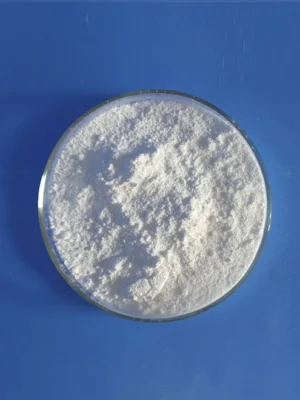

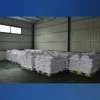

Benzoic Acid (CAS No. 65-85-0) is a high-purity organic acid widely used as a preservative, pH regulator, and functional ingredient in food, pharmaceutical, flavor & fragrance, and industrial applications.
Our benzoic acid is available in Industrial, Food, and Pharmaceutical grades, with stable quality, clear specifications, and full batch traceability.
The product appears as a white crystalline solid with a narrow melting range (121–124 °C) and shows excellent antimicrobial performance in acidic systems (pH 2.5–4.0).
Technical Support Ensure compliance and safety with our comprehensive product documentation.
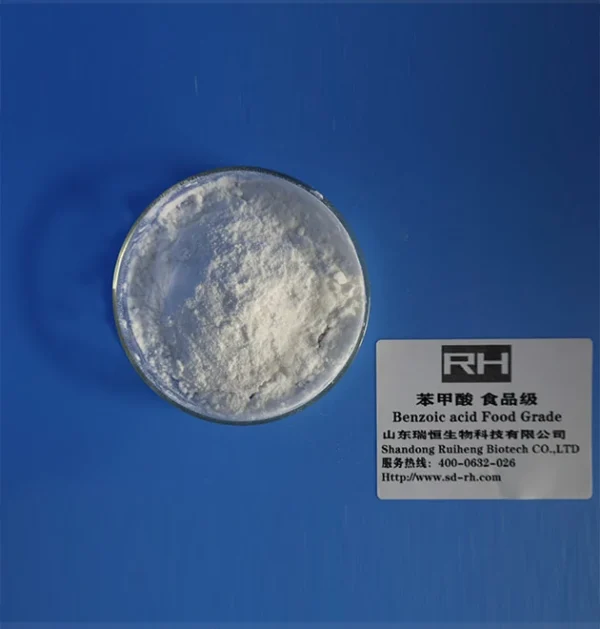
Food manufacturers choose benzoic acid E210 when they need reliable preservation in acidic products such as beverages, sauces, and pickles. Our food grade benzoic acid is produced with controlled purity, batch traceability, and complete COA documentation for international food applications.
Shandong Ruiheng Biotechnology supplies food grade benzoic acid (CAS 65-85-0, E210) with ≥99.5% assay from a single manufacturing base. Each grade is differentiated by specification limits that directly determine which formulation and regulatory environment it can enter.
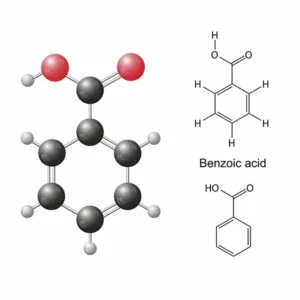
Benzoic acid (CAS 65-85-0) is produced in multiple grades. Select the specification that matches your regulatory environment:
| Grade | Typical Application |
|---|---|
| Food Grade (E210) | Food and beverage preservation (Direct human consumption) |
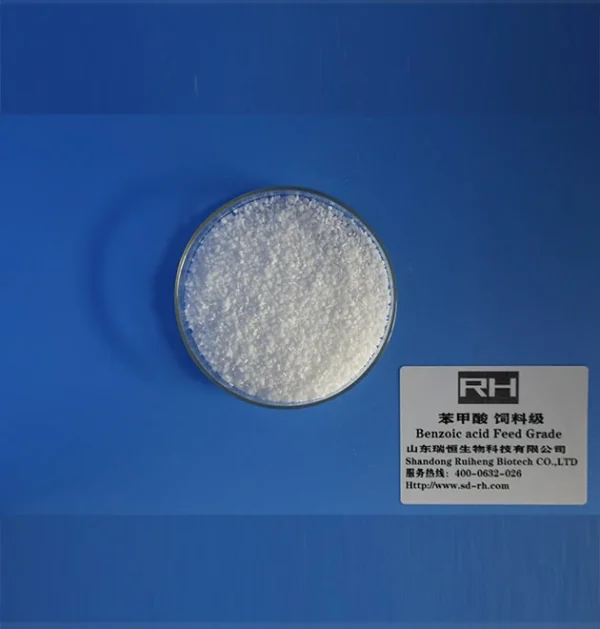
| Feed Grade | Animal feed, silage, premix (Animal nutrition) |
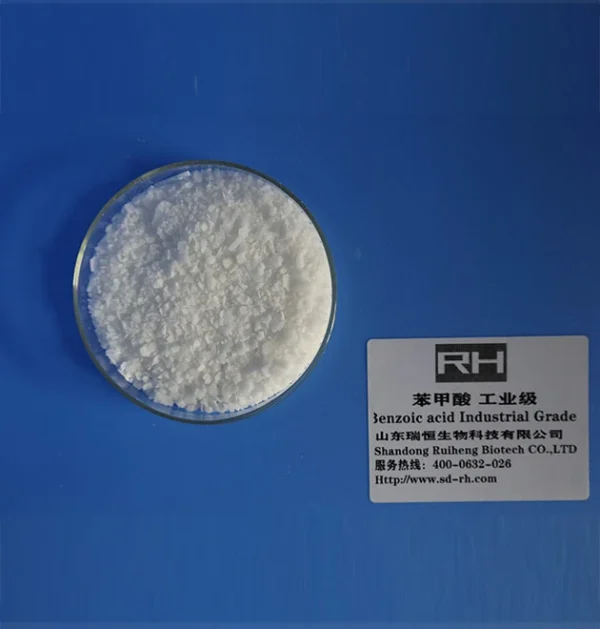
| Industrial Grade | Alkyd resins, plasticizers, and chemical synthesis |
Compared with industrial grades used for chemical synthesis, food grade benzoic acid requires tighter control of impurities, heavy metals, and documentation requirements. This makes it the necessary choice for direct human consumption applications where Codex Alimentarius or EU food additive specifications apply.
A narrower melting range (121–123 °C) indicates better batch consistency and crystallization control, helping maintain consistent performance during storage and formulation processing.
All grades share the same CAS 65-85-0 identity, but the purity margin and documentation package differ. The selection decision should always start with your end-use regulatory framework.
For formulations operating below pH 3.5, the food-grade specification at ≥99.5% assay provides the purity margin needed to sustain antimicrobial activity. Based on the Henderson-Hasselbalch equation (pKa ~4.20), at pH 3.5, approximately 83% of total benzoic acid exists in the active, undissociated form. Any purity shortfall would proportionally reduce the effective preservative concentration.
When applications must pass EU 231/2012 or Codex Alimentarius audits, the food grade is the minimum acceptable specification. Attempting to substitute industrial-grade material in food applications may fail regulatory review due to insufficient documentation or impurity specifications.
Note: When formulating below pH 3.0, the undissociated acid fraction rises sharply and may contribute astringent notes. Confirm sensory tolerance before finalizing the addition rate, and consider sodium benzoate if higher water solubility is required. This product is not suitable for alkaline formulations above pH 5.5, where antimicrobial efficacy becomes negligible.
| Property | Value / Specification |
|---|---|
| CAS Number | 65-85-0 |
| E Number / INS Number | E210 / INS 210 |
| Purity / Assay (dry basis) | ≥ 99.5% |
| Melting Range | 121 – 123 °C |
| Heavy Metals (as Pb) | ≤ 0.01% (10 ppm) |
| Arsenic (As) | ≤ 0.0002% (2 ppm) |
| Chlorides | ≤ 0.014% |
| Loss on Drying | ≤ 0.5% |
Each production batch undergoes release testing against the declared grade specification. Key parameters including assay, melting range, and heavy metals are verified. Batch-specific COA documentation is generated for each lot.
Both share the same antimicrobial mechanism but differ in solubility. Benzoic acid has low water solubility (3.5 g/L at 25 °C), making it suitable for direct acidification or dry blending. Sodium benzoate dissolves readily in water and is preferred for liquid beverages.
Yes. Our facility is registered with the U.S. FDA, and the product specification complies with EU Regulation 231/2012 (E210) and FCC standards. Batch-specific COAs are provided for customs and QA verification.
Benzoic acid has a pKa of approximately 4.20, meaning it remains predominantly in the undissociated, membrane-permeable form at pH values below this threshold. Above pH 5.5, the undissociated fraction drops significantly, rendering antimicrobial efficacy negligible, limiting its use to acidic food matrices.
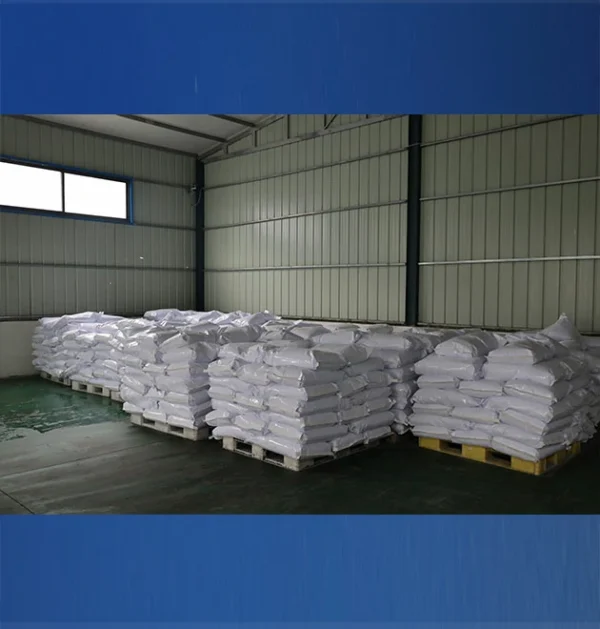
Food grade benzoic acid is supplied as a bulk chemical raw material. Contact us directly to discuss grade selection, batch-specific COA, and delivery scheduling.
Not sure which grade you need? Compare all Benzoic Acid specifications here.