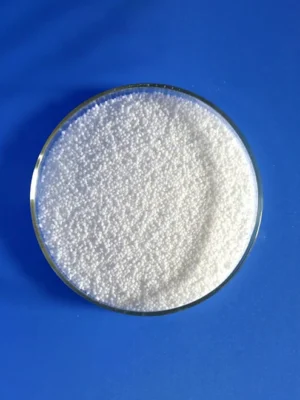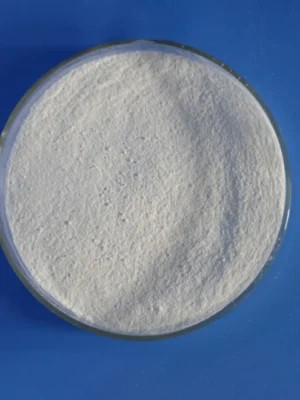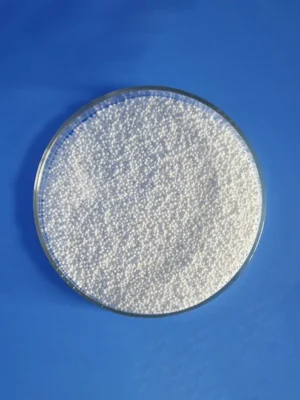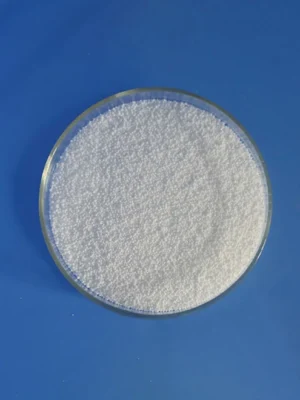

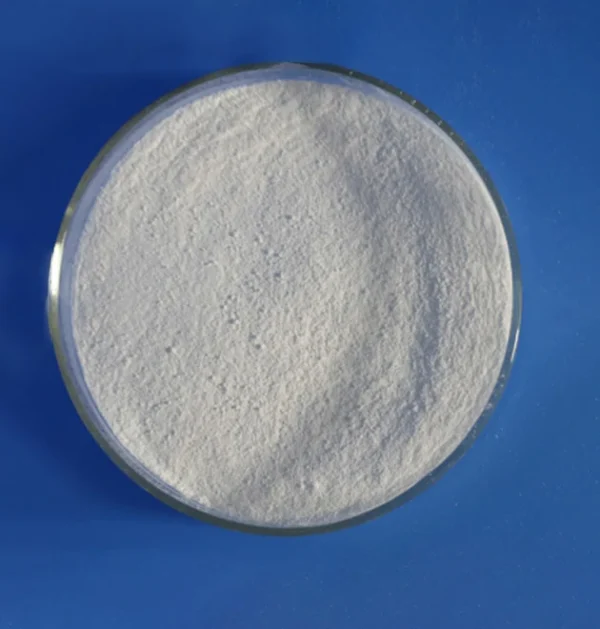
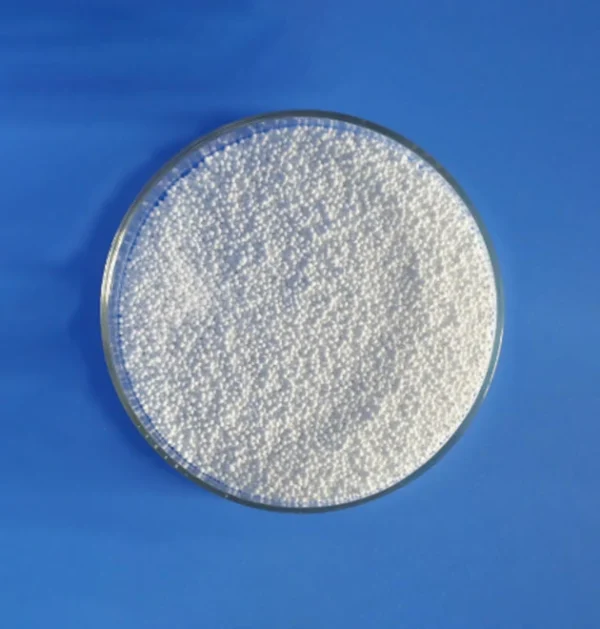



A calcium propionate batch tested at 99.0% assay can carry either a food-grade or feed-grade label — the number on the certificate looks identical, but the heavy metal ceiling behind it is not. Food grade calcium propionate holds lead below 2mg/kg against the feed grade’s 10mg/kg allowance, a gap that only matters once the product is destined for direct human consumption rather than an animal feed premix.
Technical Support Ensure compliance and safety with our comprehensive product documentation.
99.0% purity alone is not enough — uncontrolled heavy metals or drying loss often cause inconsistent performance and regulatory issues in baked goods.
Our food grade calcium propionate suppresses mold and rope-spoilage bacteria while having minimal impact on yeast fermentation at recommended dosage levels, extending shelf life and maintaining optimal dough rise.
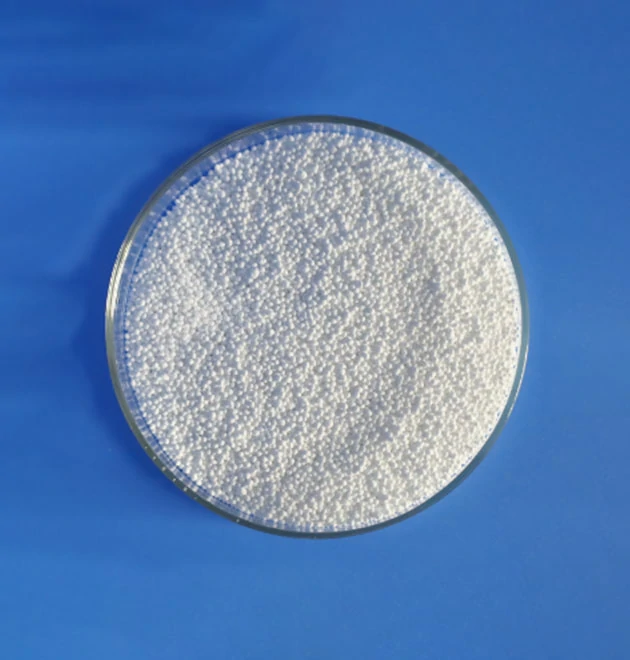
| Parameter | Food Grade (FCC / E282) | Feed Grade |
|---|---|---|
| CAS Number | 4075-81-4 | 4075-81-4 |
| E Number | E282 | E282 |
| Chemical Formula | C₆H₁₀CaO₄ | C₆H₁₀CaO₄ |
| Assay (Dry Basis) | ≥ 99.0% | ≥ 99.0% |
| Loss on Drying | ≤ 5.0% | ≤ 9.5% |
| Lead (Pb) Limit | ≤ 2 mg/kg | ≤ 10 mg/kg |
| Fluoride & Magnesium | Within FCC / GB limits | Standard Limits |
| Calcium Contribution | Measurable (approx. 21% Ca) | Measurable (approx. 21% Ca) |
| Primary Application | Bakery, Human Consumption | Compound Feed, Premixes |
The approx. 21% calcium content can also supplement mineral formulations.
If yeast-leavened, calcium propionate is the preferred choice to maintain fermentation performance.
If non-yeast-leavened and requiring a broader pH, evaluate blending with other propionates for synergistic inhibition.
It inhibits mold and rope-spoilage bacteria while having minimal impact on yeast activity at recommended levels. Bakers extend shelf life while dough rises normally.
Both share 99.0% assay. Food grade tightens lead to 2 mg/kg (vs. 10 mg/kg), restricts fluoride/magnesium within FCC/GB limits, and caps drying loss at 5.0% for human consumption.
Yes. It contributes approx. 21% calcium alongside mold inhibition. Manufacturers factor this into products in our Functional Ingredients category.
Yes. It is preferred over sorbate in yeast bread because it does not inhibit yeast activity, whereas sorbate can suppress fermentation at effective doses.
For current pricing, free samples, batch-specific COA/TDS/MSDS, or technical support, contact our team directly.