
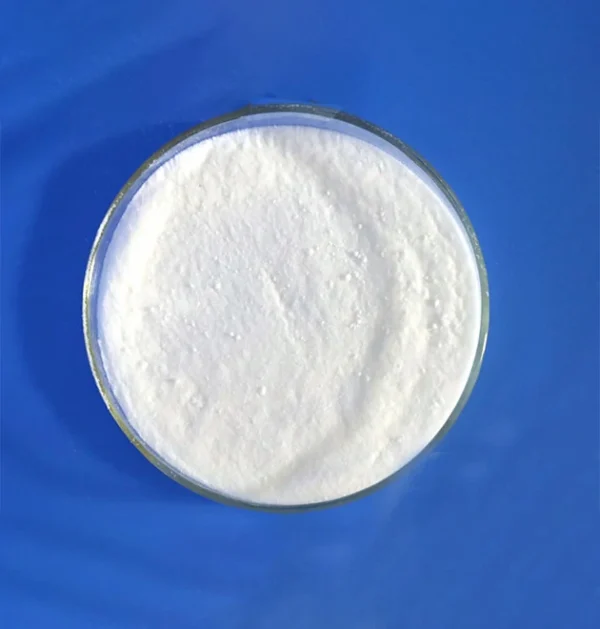
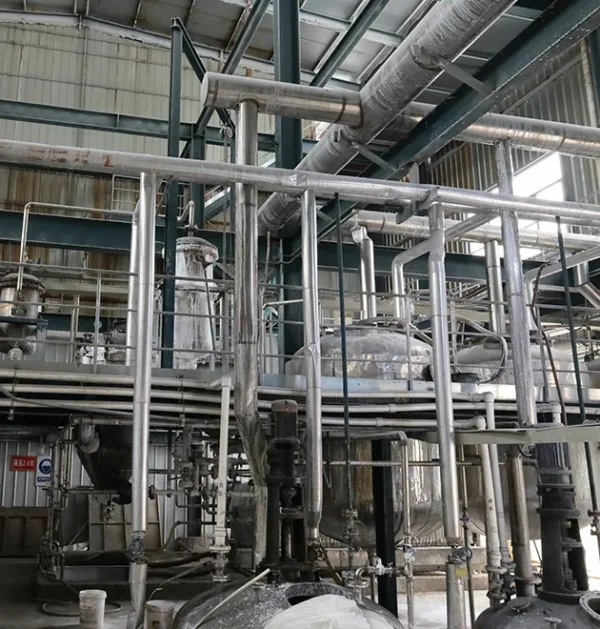







Food grade sodium diacetate (E262(ii)) is a reliable preservative for bakery, meat, and sauce products. Its balanced acetic acid system helps control mold and improve shelf stability without excessive sourness.
Looking for a different grade? For animal feed and silage preservation, please visit our Feed Grade Sodium Diacetate page.
Food grade sodium diacetate (SDA, E262(ii)) is a food preservative meeting GB 25538-2010, FCC, and Codex Alimentarius standards. As a sodium diacetate preservative, it provides controlled acetic acid release and pH buffering in bakery, processed meats, and sauces.
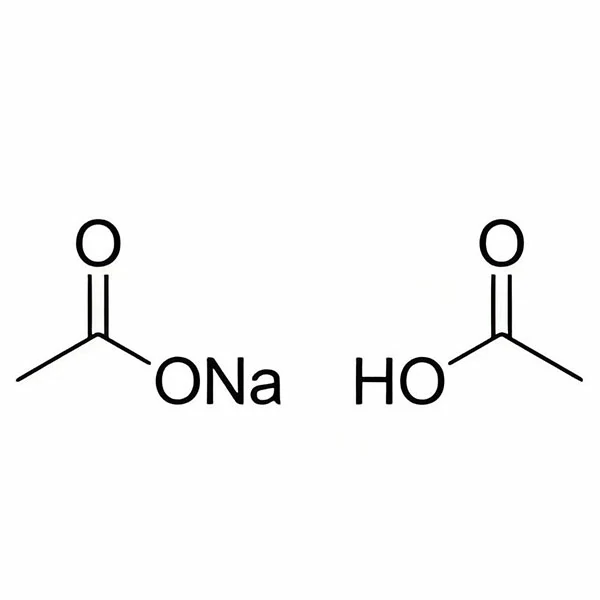
The balanced ratio of sodium acetate and free acetic acid creates a stable self-buffering system at pH 4.5-5.0, supporting reliable antimicrobial performance without the harsh sourness of pure acetic acid, making it suitable for direct human consumption.
Bakery Products: Used as a preservative in bread, cakes, and pastries. It helps extend shelf life by inhibiting mold growth while complying with GB 2760 limits (≤ 3 g/kg) and applicable local food regulations, without imparting excessive sourness.
Processed Meats: Applied in sausages, ham, and ready-to-eat meats. The dual-component system acidifies the meat matrix to pH 4.5-5.0, inhibiting spoilage organisms like Lactobacillus and yeasts under refrigerated or ambient storage conditions.
Sauces and Dressings: Employed where acidity regulation and microbial stability must coexist. The self-buffering nature of SDA resists pH shifts from ingredient variability or post-opening contamination.
Snack Coatings: Utilized in seasoning blends where a mild sour flavor enhancement complements the preservative function, supporting clean-label positioning in seasoned nuts, chips, and extruded snacks.
Strict heavy metal limits (≤ 2 mg/kg lead, ≤ 0.3 mg/kg arsenic) ensure compliance with food safety regulations. The product provides stable preservation and flavor stability in bakery, meat, and sauce applications.
| Parameter | Food Grade Sodium Diacetate | Feed Grade Sodium Diacetate |
|---|---|---|
| Standard | GB 25538-2010 / FCC / Codex | NY/T 1421-2007 |
| Active Components | Sodium acetate 58.0% – 60.0% + free acetic acid 34.9% – 41.0% | Sodium diacetate ≥ 56.0% |
| Acetic Acid Release | 34.9% – 41.0% (Free) | Gradually released during application |
| Moisture | ≤ 2.0% loss on drying | ≤ 4.0% |
| Lead (Pb) | ≤ 2 mg/kg | ≤ 5 mg/kg |
| Arsenic (As) | ≤ 0.3 mg/kg | ≤ 1 mg/kg |
| Primary Application | Bakery, meat, sauces, direct human consumption | Animal feed, premix preservation |
| CAS Number | 126-96-5 |
| EINECS Number | 204-814-9 |
| E Number / INS Number | E262(ii) |
| Molecular Formula | C4H7NaO4 |
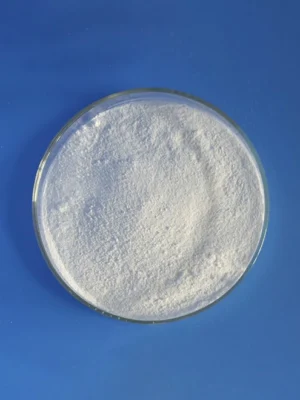
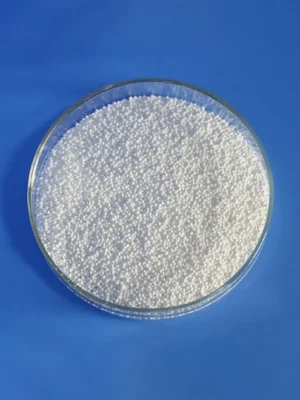
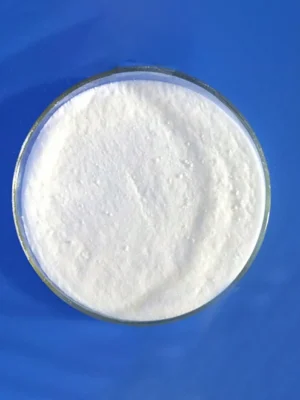
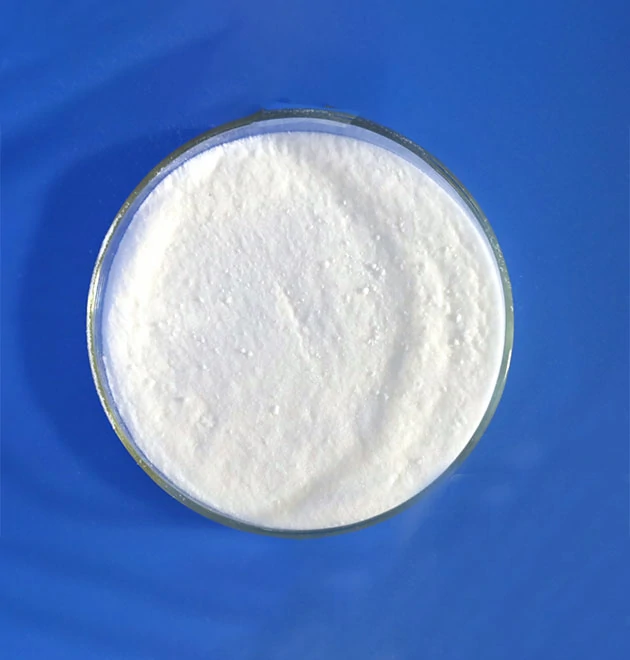
| Appearance | White crystalline powder or granules |
| pH (10% solution, 25°C) | 4.5 – 5.0 |
| Applicable Standards | GB 25538-2010 / FCC / Codex Alimentarius |
| Free Acetic Acid (dry basis) | 34.9% – 41.0% |
| Sodium Acetate (dry basis) | 58.0% – 60.0% |
| Loss on Drying | ≤ 2.0% |
| Lead (Pb) | ≤ 2 mg/kg |
| Arsenic (As) | ≤ 0.3 mg/kg |
Compliant with Codex Alimentarius, GB 25538-2010, FCC, and FAO-JECFA specifications.
Store in a cool, dry, and well-ventilated area. Keep original packaging sealed to protect the hygroscopic material from ambient moisture and maintain optimal flowability.
Granular form reduces dust and improves flow in automated dry blending and pneumatic conveying lines. We offer OEM private-label packaging and formulation review services to help optimize dosage for your specific product matrix.
Note: When formulating with sodium diacetate food grade in products above pH 5.5, the undissociated acetic acid fraction drops below the minimum inhibitory concentration for many spoilage bacteria. For near-neutral preservation needs, benzoate-based systems may provide more reliable microbial control.
No. Sodium diacetate is a stable, dual-component compound containing both sodium acetate and free acetic acid in a fixed molecular ratio. This creates a self-buffering system at pH 4.5-5.0. Simple sodium acetate lacks the free acetic acid needed for effective mold inhibition.
Sodium diacetate (E262(ii)) provides both acetic acid for mold/bacteria inhibition and a buffering effect, ideal for sauces, meats, and snacks. Calcium propionate is primarily used in bakery products (like bread) because it inhibits mold without affecting yeast activity or adding a sour taste.
The calibrated ratio creates a natural buffer at pH 4.5-5.0. In bakery products, this prevents the acetic acid fraction from dropping the local pH below 4.0 (which would harm yeast activity), while still suppressing rope bacteria and mold sporulation.
The minimum order quantity (MOQ) is 1 metric ton. We supply full documentation for international buyers, including COA, TDS, MSDS, and regulatory compliance certificates to support smooth import procedures.
Related Products:
As a food grade sodium diacetate supplier, we support OEM packaging and bulk export orders for food manufacturers worldwide with competitive pricing and reliable lead times.
Food grade sodium diacetate (E262) is available for bulk supply with full regulatory documentation (COA, TDS, MSDS). We specialize in OEM private-label packaging and provide dedicated formulation support.