


A sodium benzoate batch at 98.5% assay will still meet most beverage specifications, but the extra 0.5% purity margin in the food-grade standard only becomes relevant once the formulation pH drops below 3.5 and undissociated benzoic acid starts contributing to off-notes.
Technical Support Ensure compliance and safety with our comprehensive product documentation.
Beverage and sauce manufacturers evaluate sodium benzoate far beyond simple assay percentages. Heavy metal control, moisture levels, and impurity profiles directly impact regulatory approval, flavor stability, and shelf-life performance. Our sodium benzoate food grade delivers a 99.0% minimum assay on a dry basis, with chloride held at ≤ 0.02% and heavy metals (as Pb) at ≤ 2.0 mg/kg. This strict purity profile ensures the undissociated acid fraction remains stable, protecting the sensory profile and visual clarity of your products across their entire labeled shelf life.
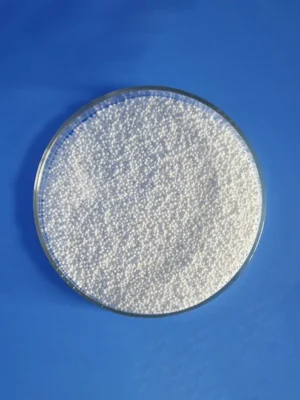
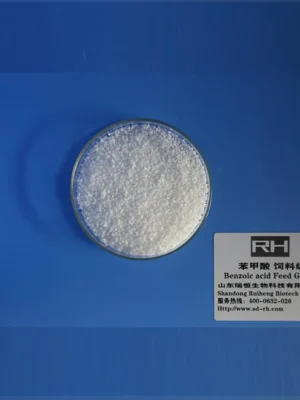
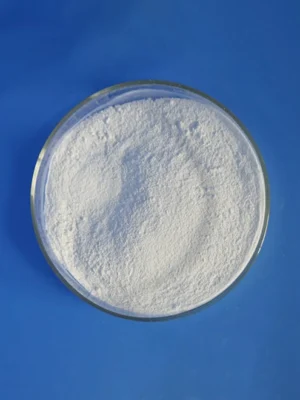
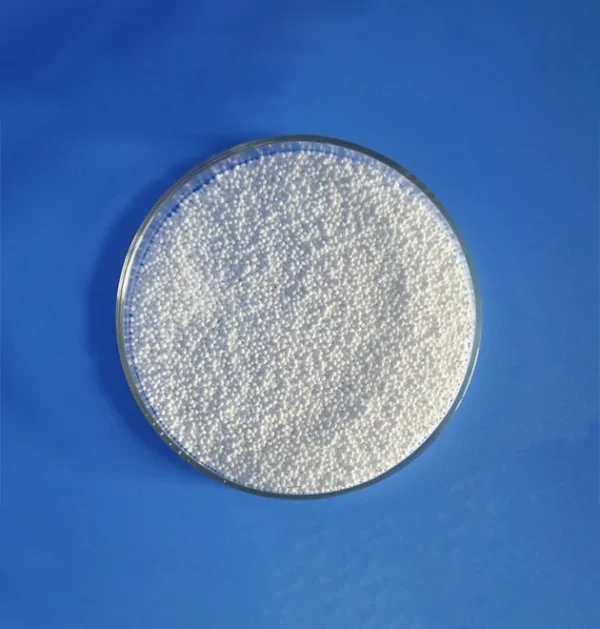
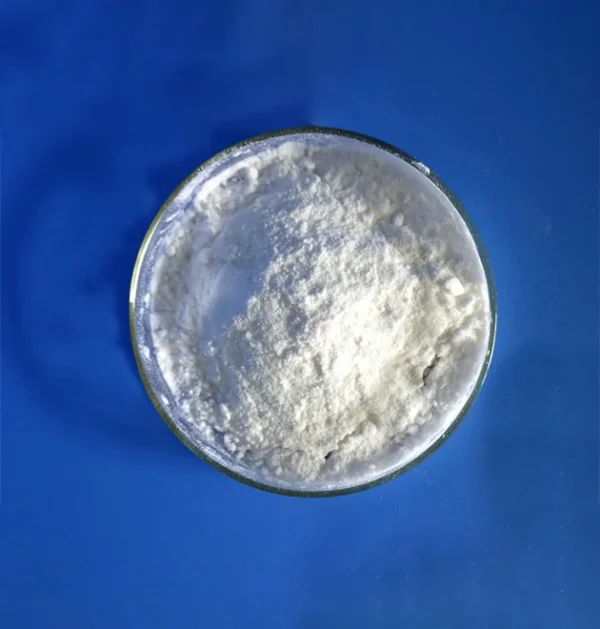
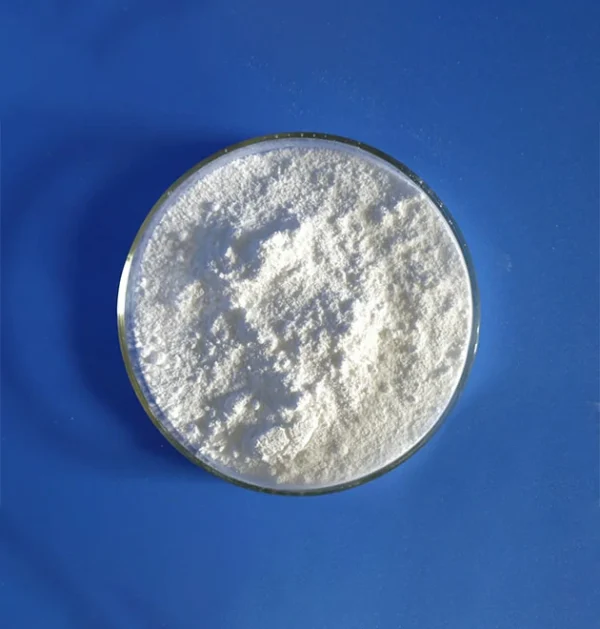
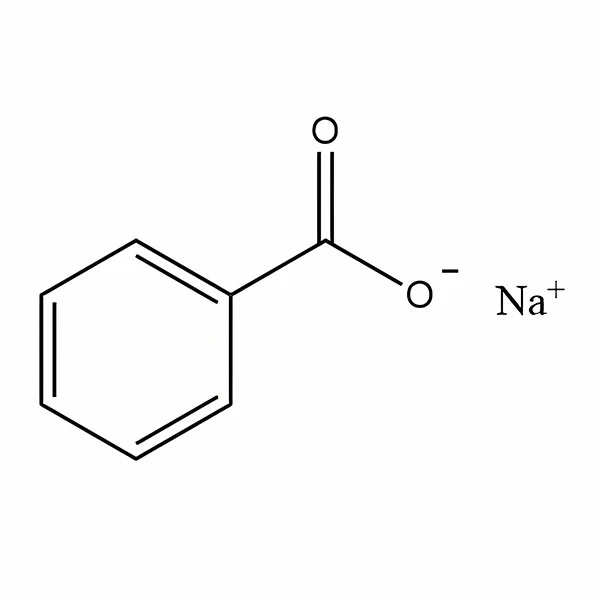
As the sodium salt of benzoic acid (CAS 532-32-1, E211), this preservative dissolves readily in water. Its antimicrobial mechanism is pH-dependent, converting to the active undissociated benzoic acid form in acidic environments (pH 2.5 – 4.5). We supply this sodium benzoate food grade in powder, granular, and columnar forms, complete with batch-specific COA, MSDS, and TDS documentation for global importers and distributors.
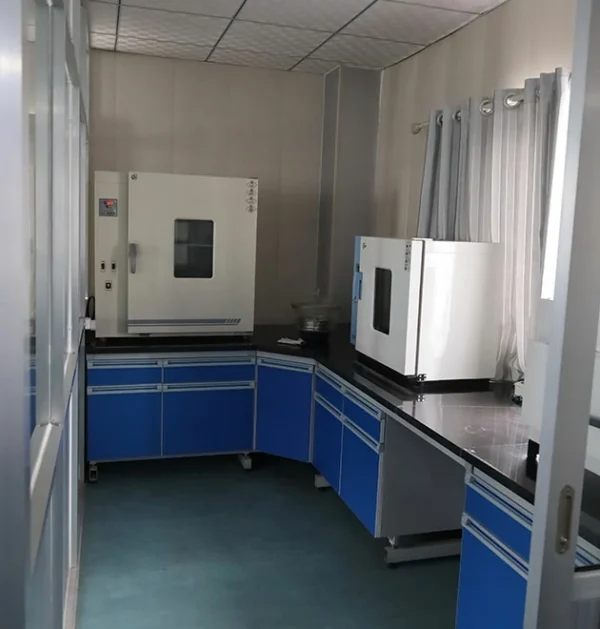
Manufacturing operates under ISO 9001 and ISO 22000 systems with HACCP controls. Kosher and Halal certifications are maintained. The product is manufactured following cGMP principles and complies with FDA 21 CFR 184.1733 requirements where applicable. Full forward-and-backward traceability is guaranteed from raw benzoic acid feedstock to the sealed 25 kg bag.
The antimicrobial efficacy of E211 is governed by the Henderson-Hasselbalch equation (pKa 4.19). At pH 3.5, roughly 83% of the total benzoate exists as the membrane-permeable, undissociated benzoic acid that disrupts microbial proton gradients. By pH 4.5, this share drops to ~33%, and below 20% at pH 5.0. Therefore, this preservative performs predictably in products stabilized below pH 4.5. Above this threshold, dosage must rise sharply, or alternative preservation strategies should be evaluated.
Note: In clear flavored waters or delicate fruit juices below pH 3.0, the sharp rise in undissociated acid may contribute astringent notes. Sensory tolerance should be confirmed at the target addition rate. For synergistic preservation strategies, explore our food preservation solutions.
| Property | Food Grade Standard | Feed Grade Standard | Pharma Grade (BP/USP) |
|---|---|---|---|
| CAS Number | 532-32-1 | ||
| EINECS Number | 208-534-8 | ||
| E Number / INS | E211 | ||
| Chemical Formula | C₇H₅NaO₂ | ||
| Molecular Weight | 144.11 g/mol | ||
| Appearance | White Powder / Granular | White Powder / Granular | White Crystalline Powder |
| Assay (Dry Basis) | 99.0% – 100.5% | ≥ 98.5% | 99.0% – 100.5% |
| Loss on Drying | ≤ 1.5% | ≤ 2.0% | ≤ 1.5% |
| pH (10% Solution) | 7.0 – 8.5 | 7.0 – 8.5 | 7.0 – 8.0 |
| Chloride (Cl) | ≤ 0.02% | ≤ 0.05% | ≤ 0.02% |
| Heavy Metals (as Pb) | ≤ 2.0 mg/kg | ≤ 20 mg/kg | ≤ 10 ppm |
| Arsenic (As) | ≤ 2.0 mg/kg | Not specified / Pass | Pass Test |
| Solubility in Water | 556 g/L at 20°C | ||
| Regulatory References | GB 1886.184-2016, FCC, EU 231/2012 | Aligned with target market feed safety requirements | BP, USP |
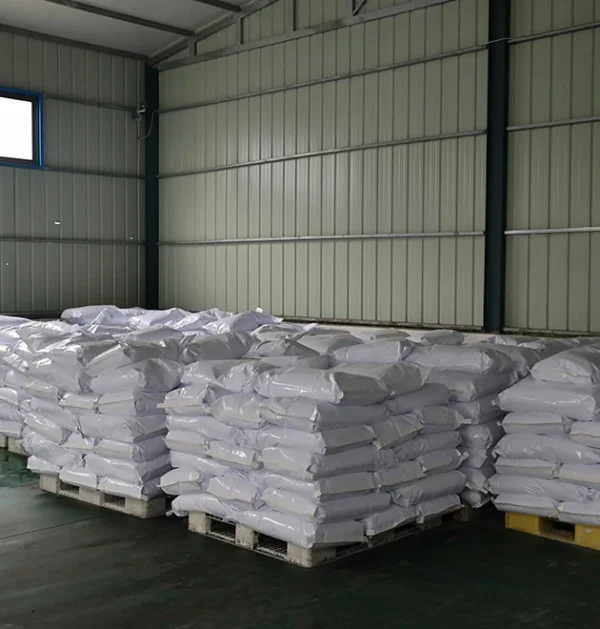
Available packaging includes standard 25 kg PE-lined PP woven bags, as well as 500 kg and 1000 kg jumbo bags for bulk industrial orders. Standard container loading is approximately 16.5 metric tons for powder and up to 20 metric tons for granular or columnar grades per 20ft FCL. OEM packaging and private labeling are available for qualified distributors. Free samples up to 500 g are available for quality verification prior to bulk ordering.
This sodium benzoate food grade is hygroscopic. Store in original sealed packaging in a cool, dry, well-ventilated area away from direct sunlight. Shelf life is two years under recommended conditions.
Field Experience: Buyers shipping to tropical regions consistently select our granular or columnar grades. Ocean freight humidity spikes increase caking risk for fine powders; our controlled larger-particle forms maintain flowability upon arrival, saving plants from costly manual bag-breaking.
For applications requiring alternative or synergistic preservatives, see our calcium propionate products. For a complete overview, visit our food preservation category or feed grade sodium benzoate page.
According to FDA and Codex Alimentarius guidelines, the maximum recommended usage level for sodium benzoate (E211) in beverages is typically 0.1% (1000 ppm). However, the optimal dosage depends on the product’s initial pH and target shelf life. Our technical team can provide specific formulation guidance based on your matrix.
Under specific conditions (high heat, prolonged light exposure, and the simultaneous presence of both benzoate and ascorbic acid), trace amounts of benzene can potentially form. To mitigate this, we recommend strict control of storage temperatures, minimizing light exposure, and exploring synergistic preservation strategies if high levels of Vitamin C are present in your formulation.
Yes, our sodium benzoate is synthetically produced from benzoic acid and sodium hydroxide, containing no animal-derived ingredients, making it 100% vegan. It also carries Kosher and Halal certifications. For organic certification, buyers must verify with their specific certifying body, as synthetic preservatives have varying approvals under different organic standards (e.g., USDA Organic, EU Organic).
Ready to source sodium benzoate food grade with verified assay and full COA documentation? Contact us on WhatsApp for the latest bulk price per metric ton, free samples, and batch-specific TDS and MSDS.