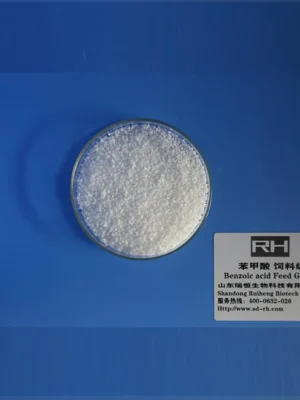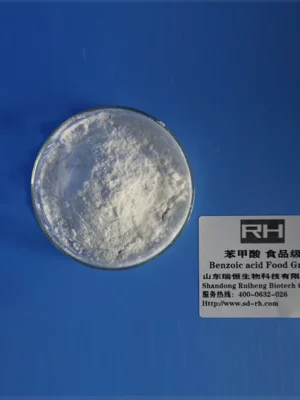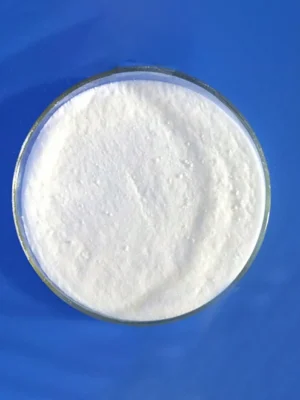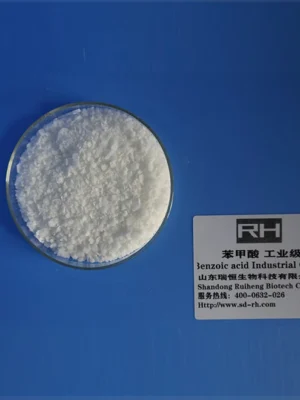

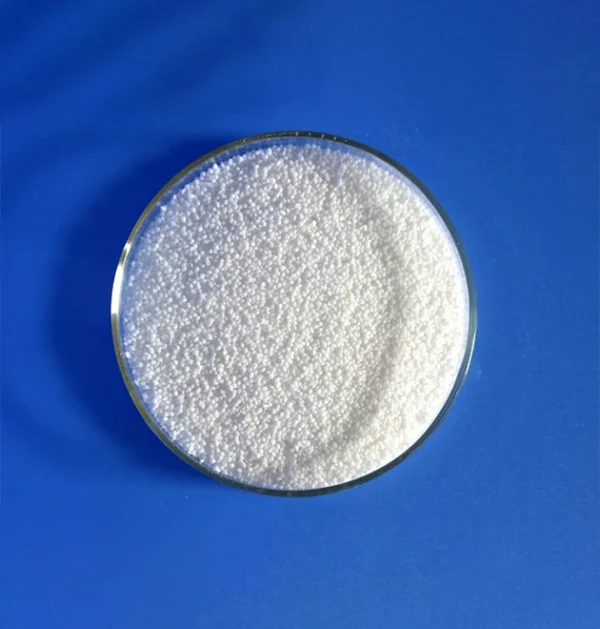
A potassium benzoate solution at 25°C dissolves 73.83 g per 100 mL water — roughly 21 times the solubility of benzoic acid at the same temperature. That difference matters once a formulator needs to add the preservative as a dry powder to a cold-mix beverage base where benzoic acid would remain partially undissolved and distribute unevenly. This potassium benzoate food grade delivers 99.0% minimum assay on a dry basis with full E212 compliance, giving manufacturers a low-sodium alternative to sodium benzoate in acidic formulations where solubility and uniform distribution drive shelf-life performance.
Technical Support Ensure compliance and safety with our comprehensive product documentation.
A potassium benzoate solution at 25°C dissolves 73.83 g per 100 mL of water — roughly 21 times the solubility of benzoic acid at the same temperature. This physical difference is critical for formulators adding preservatives to cold-mix beverage bases, where benzoic acid would remain partially undissolved and distribute unevenly. This potassium benzoate food grade delivers a 99.0% minimum assay on a dry basis with full E212 compliance, providing a reliable, low-sodium alternative to sodium benzoate in acidic formulations where solubility and uniform distribution drive shelf-life performance.
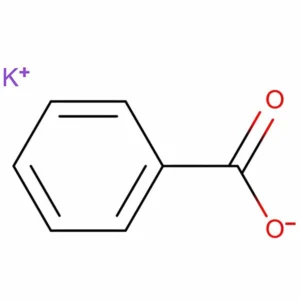
As the potassium salt of benzoic acid (CAS 582-25-2, E212), it dissociates in water into benzoate anions and potassium cations. The benzoate anion recombines with free protons in the acidic formulation to form undissociated benzoic acid, the membrane-permeable species that disrupts microbial proton gradients. With a pKa of ~4.2, the equilibrium heavily favors this active form below pH 4.5, making it highly effective in carbonated drinks, fruit juices, syrups, and condiments. We supply this preservative in powder and granular forms, backed by batch-specific COA, MSDS, and TDS documentation for distributors in Europe, North America, and Southeast Asia.
For beverage and sauce brands targeting “Low-Sodium” or “Clean Label” claims, switching from sodium benzoate (E211) to this potassium benzoate food grade is a direct drop-in replacement. The antimicrobial mechanism and pKa remain identical; only the counterion changes. Because the JECFA group ADI (0–20 mg/kg body weight, expressed as benzoic acid equivalents) applies to both salts, regulatory exposure calculations transfer directly without requiring a full safety re-assessment of the formulation.
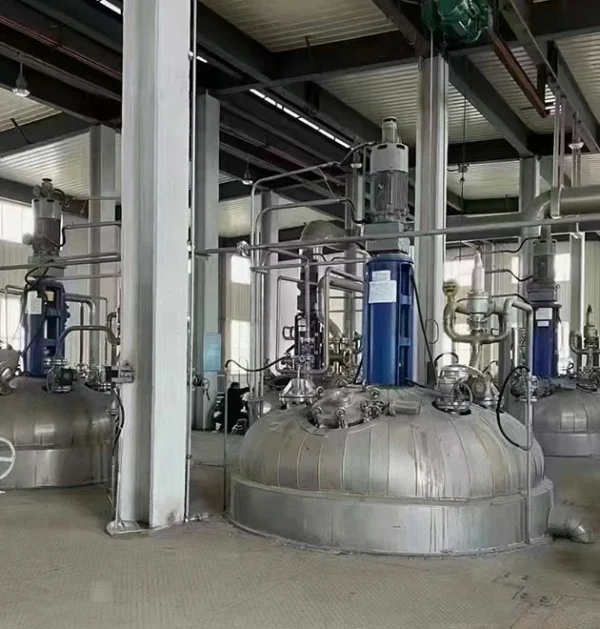
Produced on the same neutralization and crystallization line, our grades are differentiated strictly by purity control points and documentation depth. Industrial grade serves chemical synthesis, while food and pharmaceutical grades tighten impurity limits to meet strict human consumption standards.
| Property | Food Grade (E212) | Pharmaceutical Grade (USP/BP/EP) | Industrial Grade |
|---|---|---|---|
| CAS Number / EINECS | 582-25-2 / 209-481-3 | ||
| Chemical Formula / MW | C₇H₅KO₂ / 160.21 g/mol | ||
| Assay (Dry Basis) | ≥ 99.0% | 99.0% – 101.0% | ≥ 98.0% |
| Loss on Drying | ≤ 0.5% | ≤ 0.5% | ≤ 1.0% |
| Chlorides (Cl) | ≤ 0.03% | ≤ 0.03% | ≤ 0.05% |
| Heavy Metals (as Pb) | ≤ 10 ppm | ≤ 10 ppm | ≤ 20 ppm |
| Arsenic (As) | ≤ 2 ppm | Pass test | Not specified |
| Residue on Ignition | Not specified | ≤ 0.1% | Not specified |
| Water Solubility (25°C) | 73.83 g / 100 mL | ||
| Regulatory Alignment | FCC, GB, EU 231/2012 | USP, BP, EP | COA per batch |
Typical Application Note: In a cold-fill, low-sodium fruit juice (pH 3.8), adding 0.1% potassium benzoate as a pre-dissolved 20% aqueous solution ensures immediate, uniform dispersion. This prevents the haziness or filter-clogging often associated with direct benzoic acid addition in low-temperature tanks.
pH Dependency: If the formulation pH sits above 4.5, or the product matrix is neutral to alkaline, neither potassium benzoate nor sodium benzoate will deliver reliable preservation. At pH 5.0, only ~15% of total benzoate exists as undissociated acid; by pH 5.5, this falls below 10%. In such cases, the formulation must be acidified first, or shifted to alternative preservation systems like sorbates or natamycin.
Benzene Formation Risk Management: When potassium benzoate is combined with ascorbic acid or erythorbic acid in beverages exposed to heat or UV light during storage, trace benzene formation is theoretically possible. This reaction requires metallic ions (like copper or iron) as catalysts. Formulators can mitigate this risk by excluding these metals from process water or adding EDTA as a chelating agent. Always confirm the full ingredient matrix during shelf-life testing.
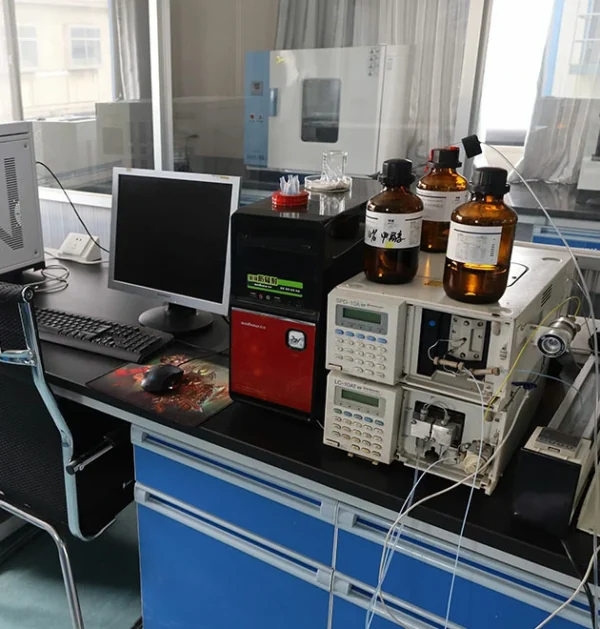
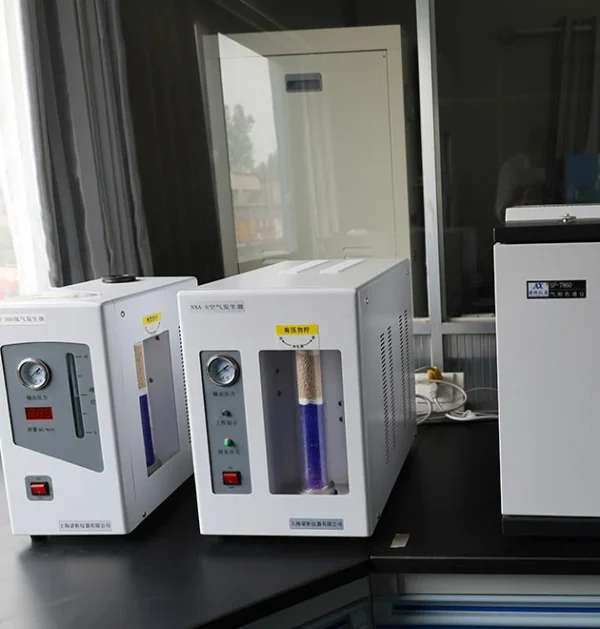
Each production lot is released against declared grade specifications. Assay is verified by titration, loss on drying by gravimetric analysis, and heavy metals by atomic absorption or validated colorimetric methods. Every food-grade batch carries full quantification on its COA.
The antimicrobial mechanism and pKa (~4.2) are identical; only the counterion differs. Potassium benzoate dissolves at 73.83 g per 100 mL water, making it superior for cold-mix applications where benzoic acid might not fully dissolve. Switching to E212 allows brands to reduce sodium content or make potassium-fortified label claims without reformulating the active preservative fraction.
For standard beverages, sauces, and condiments, food-grade potassium benzoate (E212) is the correct choice. It meets FCC and GB standards with full heavy-metal quantification on every COA. Pharmaceutical-grade is only necessary if you are formulating oral medicines or syrups that strictly require USP/BP/EP pharmacopoeial documentation and residue-on-ignition controls.
No. The efficacy of benzoate salts depends on the undissociated benzoic acid fraction, which drops sharply above pH 4.5. For neutral or alkaline matrices, benzoate will not provide reliable preservation, and you should evaluate alternative systems like potassium sorbate or sodium benzoate combined with pH adjustment.
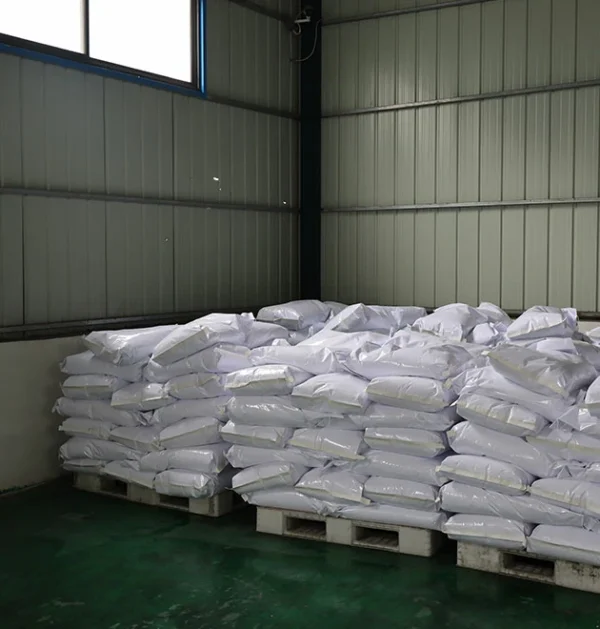
Ready to source potassium benzoate food grade with verified E212 compliance, full COA documentation, and flexible packaging for your low-sodium formulation? Contact us on WhatsApp for the latest price per metric ton, free samples up to 500 g, and batch-specific TDS and MSDS.