

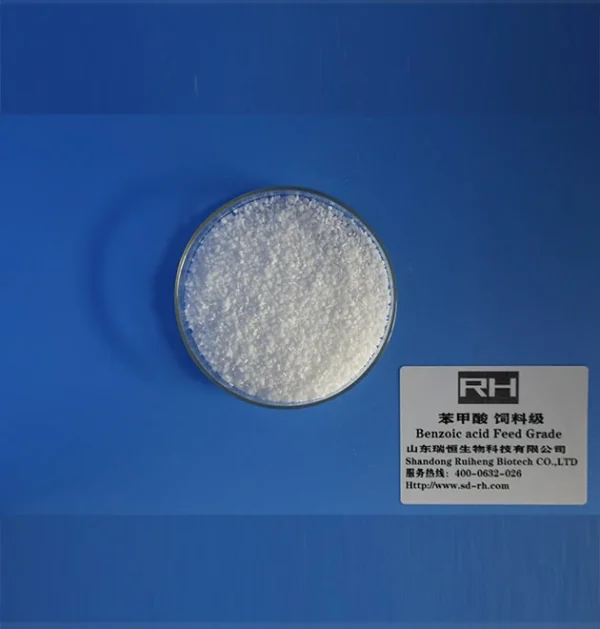

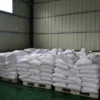
Feed spoilage cutting into your margins? Our feed grade benzoic acid tackles mold and supports gut health in swine and poultry. As a cost-effective animal feed additive, it helps you maintain feed hygiene without breaking the bank. Bulk supply with full documentation—request your quote now
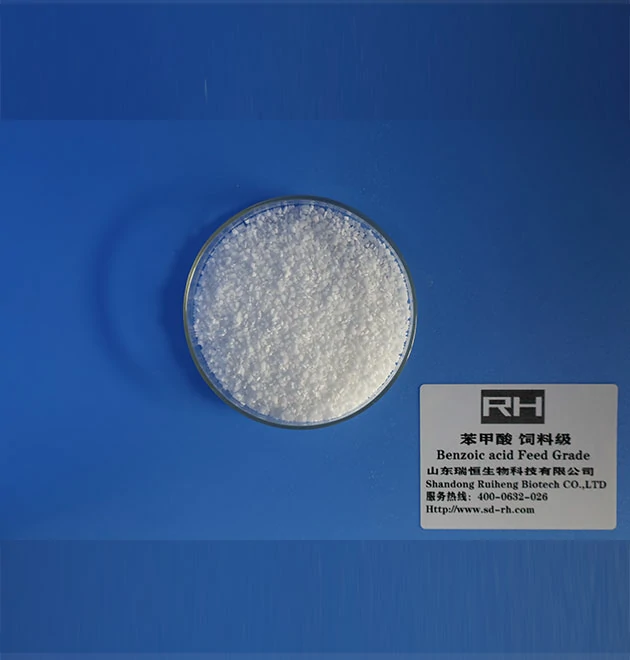
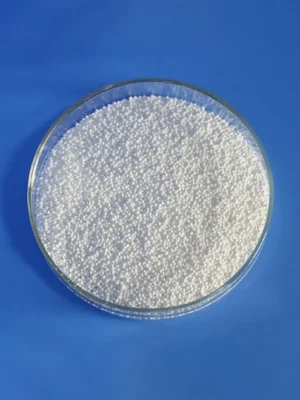
Effective feed acidifier and hygiene agent. Feed grade benzoic acid helps control microbial growth and supports feed hygiene, especially in acidic feed environments. It is widely used as an animal feed additive to support a healthy intestinal environment and reduce ammonia emissions in swine and poultry nutrition.
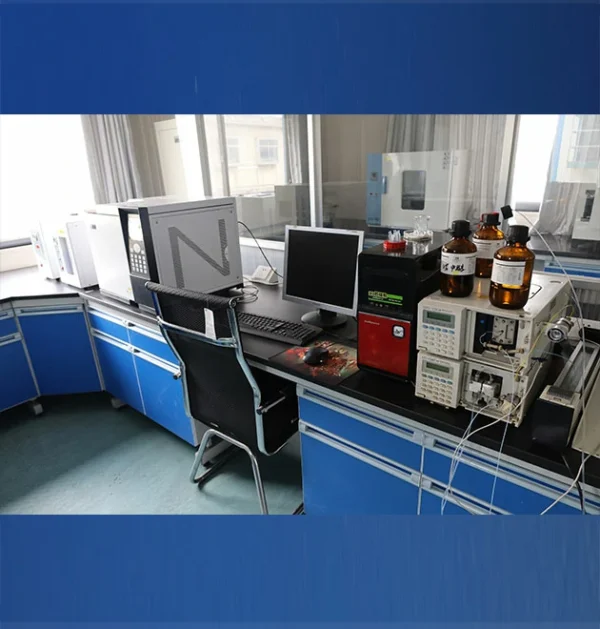
Shandong Ruiheng Biotechnology produces feed grade benzoic acid with controlled purity for uniform dispersion in premixes and total mixed rations. This specification is manufactured according to strict animal feed additive quality requirements, offering a cost-effective solution for bulk feed operations.
Note: This product is formulated for animal nutrition and is not intended for direct human consumption. For human food and beverage applications, please evaluate our food grade benzoic acid instead.
| Parameter | Feed Grade | Food Grade |
|---|---|---|
| Primary Use | Animal feed, silage, premix | Human food and beverage preservation |
| Purity (Assay) | ≥ 99.0% | ≥ 99.5% |
| Heavy Metals (Pb) | ≤ 20 ppm | ≤ 10 ppm |
| Particle Size | Available in powder or customized sizes | Standard crystalline / powder |
When feed operations handle high-moisture matrices, benzoic acid addition helps maintain microbial control. The dissociation equilibrium shifts toward the inactive salt form as pH rises. Therefore, maintaining sufficient total acid input compensates for the reduced active fraction in less acidic feed matrices.
When formulations already contain organic acid salts such as calcium propionate, benzoic acid addition must account for the combined acidification effect. Multiple organic acids lower system pH additively. This can depress feed intake in sensitive species if palatability drops below threshold. Sequential addition trials determine the optimal combined rate.
Feed operations should verify that their supplier’s documentation aligns with the destination market’s feed regulation. Food-grade certifications like Kosher or Halal address human dietary law rather than animal nutrition standards.
| Parameter | Specification |
|---|---|
| Chemical Name | Benzoic Acid |
| CAS Number | 65-85-0 |
| Assay (Purity) | ≥ 99.0% |
| Loss on Drying | ≤ 0.5% |
| Heavy Metals (as Pb) | ≤ 20 ppm |
| Arsenic (As) | ≤ 3 ppm |
| Particle Size | Available in powder or customized sizes per request |
Beyond basic feed hygiene, it acts as an effective acidifier in swine diets. It helps lower gastric pH, supports digestive enzyme activity, promotes a healthy intestinal environment, and contributes to reduced ammonia emissions in livestock housing.
The choice depends on moisture content and target microflora. Benzoic acid is highly effective for internal feed hygiene and as an acidifier in premixes. Propionic acid excels at surface mold inhibition on stored grain. Operations handling both may evaluate a combined organic acid strategy.
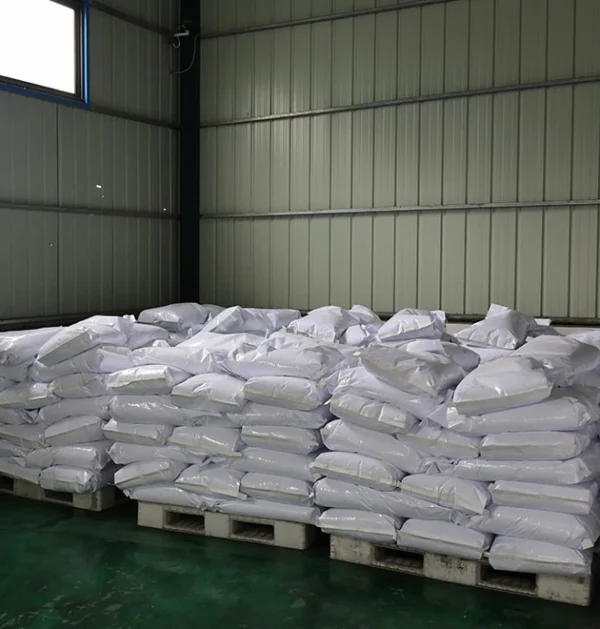
Standard packaging includes 25kg woven bags for manual handling. For integrated operations with automated intake systems, 500kg FIBC bulk bags with moisture barriers reduce handling labor and support just-in-time inventory management.
Get specifications, pricing, and delivery schedules for your feed mill. Our team can review your target formulation to recommend the right addition rate and packaging format.
Not sure which grade you need? Compare all Benzoic Acid specifications here.
Reviews
There are no reviews yet.