

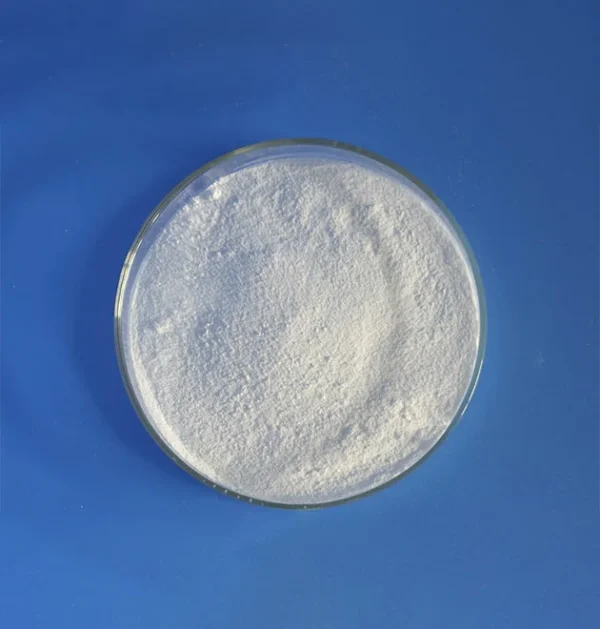
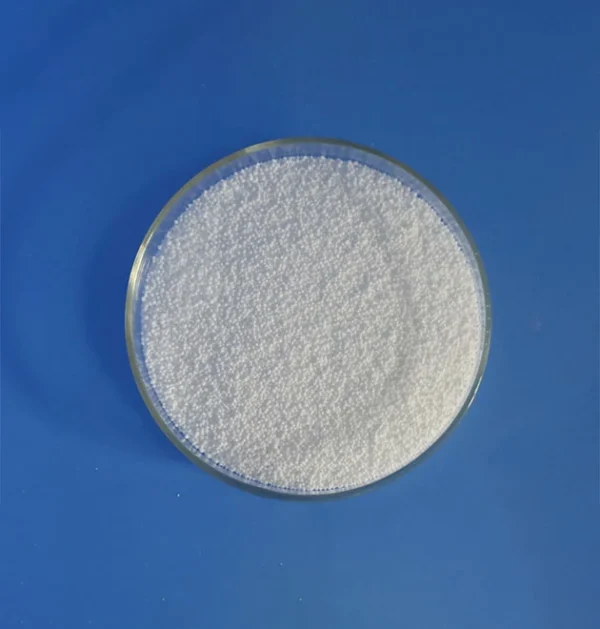
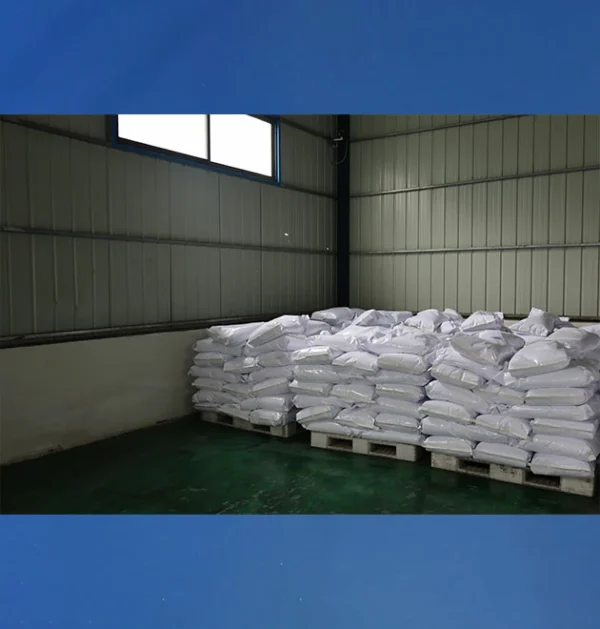



Feed mills dealing with formulation changes and storage stability issues need consistent raw materials. Our feed grade sodium acetate provides stable buffering performance and excellent solubility, supporting reliable production of mineral premixes and liquid feed formulations.
Feed manufacturers looking for a stable sodium source and buffering ingredient often use sodium acetate to support formulation consistency. As an organic acid salt, it provides reliable buffer capacity and excellent liquid feed compatibility, making it a valuable additive for mineral premixes, liquid feed supplements, and silage-related applications.
Note: This feed-grade specification is designed strictly for animal nutrition. For buffering or flavor enhancement in human food applications, see our food grade sodium acetate specification.
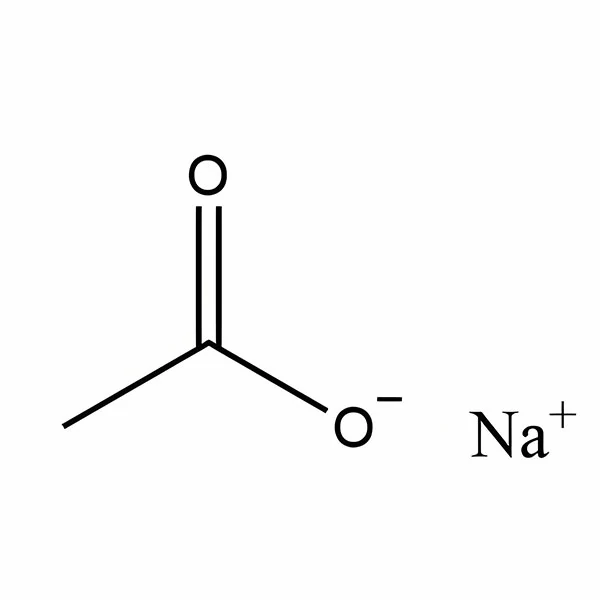
| Property | Feed Grade Standard | Food Grade Standard (Reference) |
|---|---|---|
| CAS Number | 127-09-3 (anhydrous); 6131-90-4 (trihydrate) | 127-09-3 (anhydrous); 6131-90-4 (trihydrate) |
| EINECS Number | 204-823-8 | 204-823-8 |
| E Number / INS | N/A (Chemical identity: sodium acetate) | E262(i) |
| Molecular Formula | C₂H₃NaO₂ (anhydrous); C₂H₃NaO₂·3H₂O (trihydrate) | C₂H₃NaO₂ (anhydrous); C₂H₃NaO₂·3H₂O (trihydrate) |
| Assay (Dry Basis) | ≥ 98.5% | ≥ 98.5% |
| pH (1g/100mL solution) | 8.0 – 9.5 | 8.0 – 9.5 |
| Loss on Drying | ≤ 2.0% | ≤ 2.0% (120°C, 4h) |
| Chlorides (Cl⁻) | ≤ 0.05% | ≤ 0.02% |
| Sulfates (SO₄²⁻) | ≤ 0.05% | ≤ 0.02% |
| Heavy Metals (as Pb) | ≤ 20 mg/kg | ≤ 10 mg/kg |
| Arsenic (As) | Not specified | ≤ 3 mg/kg |
| Regulatory References | FDA 21 CFR 582.99, EU Feed Hygiene Regulation 183/2005 | GB 30603-2014, FCC, USP-NF, Codex Alimentarius |
Two specification tiers are available from the same production line. The feed-grade buffering agent meets feed-safety standards with assay verified at 98.5% minimum and heavy metals controlled at 20 mg/kg as lead. This provides necessary pH buffering at a documentation level appropriate for feed hygiene audits.
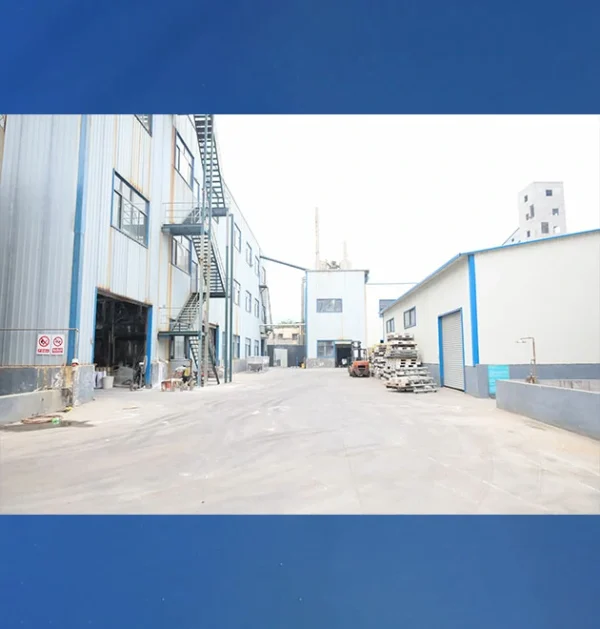
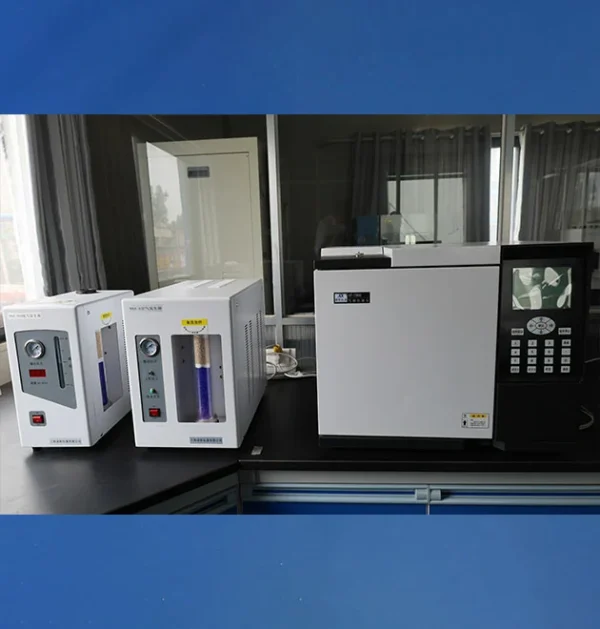
Each production lot is released against feed hygiene criteria with assay verified at 98.5% to 100.0% on a dry basis. Loss on drying is held at or below 2.0%, limiting moisture-driven caking in humid climates. Manufacturing runs under ISO 9001 management systems. Each batch carries a unique lot number linking raw material source, production date, and QC test results, ensuring full forward-and-backward traceability.
The primary distinction lies in purity control and regulatory framework. Feed-grade carries a minimum assay of 98.5% with heavy metals limited to 20 mg/kg as lead, aligned with FDA 21 CFR 582.99 and EU feed hygiene standards. Food-grade tightens chloride and sulfate to 0.02%, lowers lead to 10 mg/kg, and adds arsenic quantification, meeting GB 30603-2014 for direct human consumption.
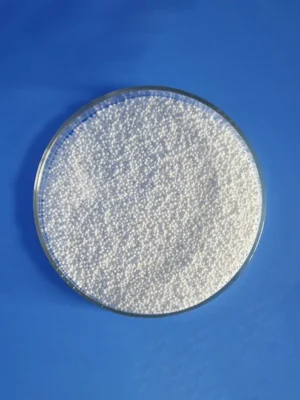
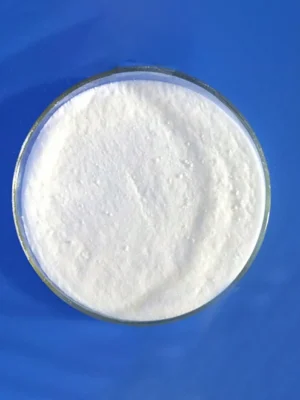
Anhydrous powder dissolves rapidly in liquid feed supplements and silage juice. Granular form resists dust generation during pneumatic conveying, supporting automated batching in premix plants. In warehouses with ambient humidity above 70%, granular also resists caking better due to a lower surface-area-to-mass ratio.
Yes. We provide free samples up to 500g for pre-order verification. This allows your lab to confirm assay and pH against your own equipment. A batch-specific COA, TDS, and MSDS are also issued with every shipment to support your feed safety audits.
Generally, no. Sodium acetate operates primarily as an alkaline buffer, not a direct mold inhibitor. It can slow undesirable fermentation pathways, but it does not deliver the same mold inhibition as propionate-based preservatives. For standalone mold control, propionates should be evaluated instead.
Ready to source feed grade sodium acetate for pH buffering and sodium supplementation in your mineral premix or compound feed operations? Contact us on WhatsApp for the latest price per metric ton, free samples, and batch-specific COA.
Reviews
There are no reviews yet.