

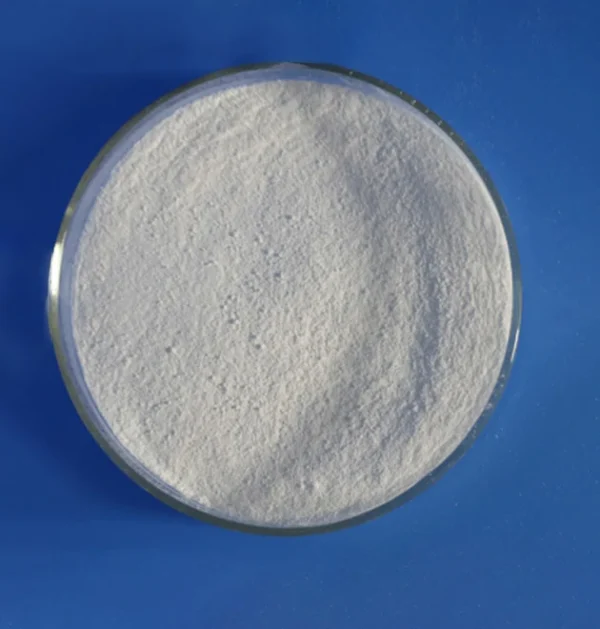
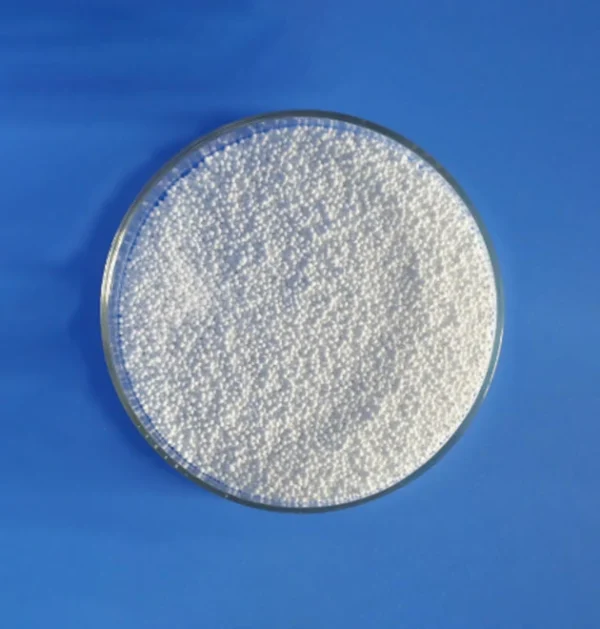
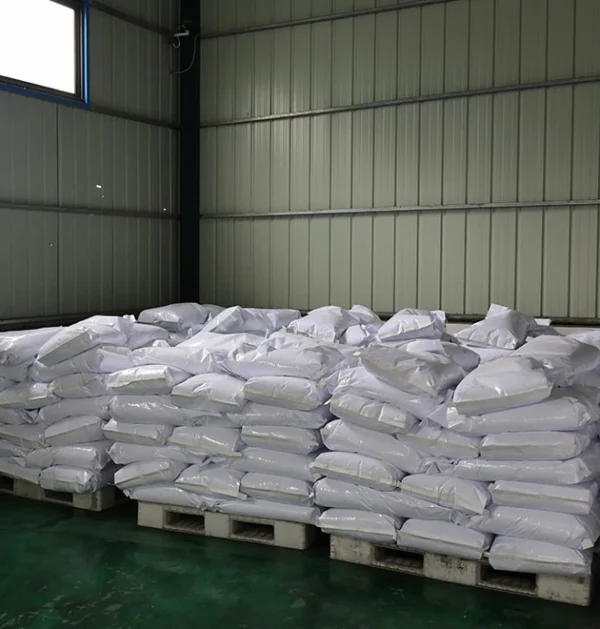
Keeping feed stable during storage is not always easy, especially in hot and humid regions. Our feed grade calcium propionate is designed to help feed manufacturers reduce mold problems, protect feed quality, and maintain consistent performance from production to farm use.
Compound feed stored in tropical warehouses can develop mold when humidity exceeds 70%, degrading protein and palatability. Feed grade calcium propionate releases propionic acid in feed particle moisture films to suppress mold, while adding measurable calcium to the ration.
Note: Strictly for animal nutrition. For bakery use, see food grade calcium propionate.
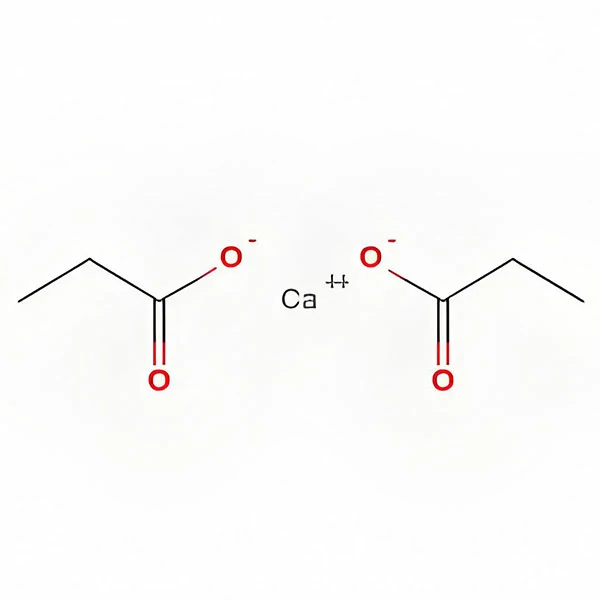
| Property | Feed Grade Standard | Food Grade Standard (Reference) |
|---|---|---|
| CAS Number | 4075-81-4 | 4075-81-4 |
| E Number / INS | E282 | E282 |
| Chemical Formula | C₆H₁₀CaO₄ | C₆H₁₀CaO₄ |
| Assay (Dry Basis) | ≥ 99.0% | ≥ 99.0% |
| Loss on Drying | ≤ 9.5% | ≤ 5.0% |
| Lead (Pb) | ≤ 10 mg/kg | ≤ 2 mg/kg |
| Calcium Contribution | Measurable (approx. 21% Ca) | Measurable (approx. 21% Ca) |
| pH (10% Solution) | 7.0 – 9.0 | 7.0 – 9.0 |
| Regulatory References | Aligned with applicable feed additive safety requirements in target markets | FCC, E282, GB 25548-2010, FDA 21 CFR 184.1221 |
*Actual dosage should be determined based on substrate moisture, ambient temperature, and desired shelf life. Consult a livestock nutritionist for specific ration formulations.
Note: Calculate total acid load when combining with formic acid in silage to avoid depressing ruminant palatability.
Calcium propionate delivers the same mold inhibition but adds measurable calcium. It also maintains better physical stability in dry premixes where sodium salts absorb moisture. See our sodium propionate for alternatives.
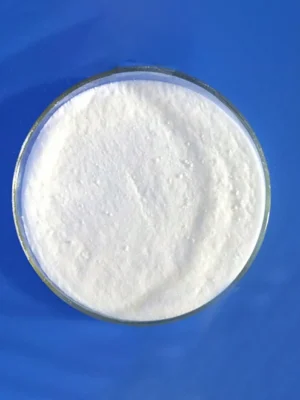
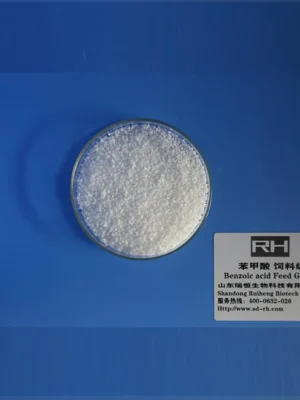
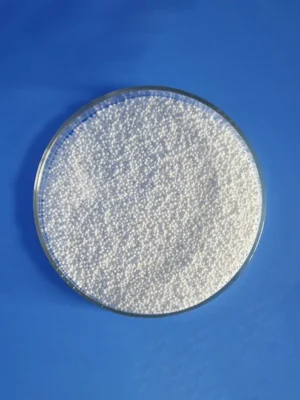
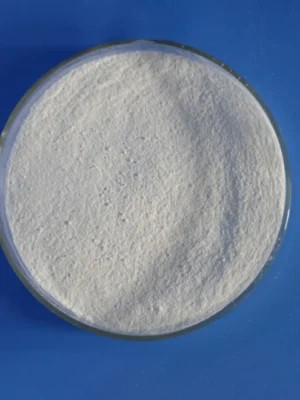
Powder dissolves rapidly in silage juice. Granular resists dust during pneumatic conveying and automated batching. In >70% humidity, granular resists caking better.
It releases propionic acid in feed particle moisture films. Above 14% grain moisture or 65% ambient humidity, mold accelerates. Adjust addition rates to actual substrate moisture.
It supplements but does not fully replace propionic acid. Propionic acid drops pH directly, while calcium propionate releases propionic acid without significant acidification. Both are often used together.
Ready to source feed grade calcium propionate for mold control? Contact us for the latest price per metric ton, free samples, and batch-specific COA.
Reviews
There are no reviews yet.