




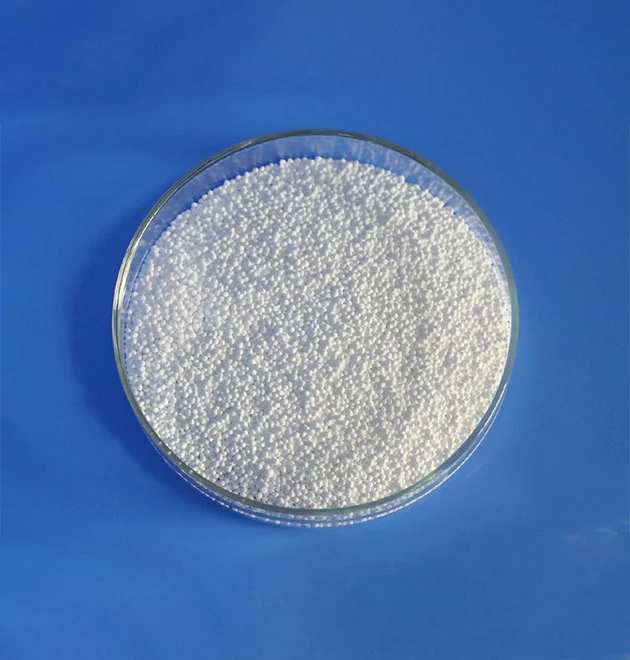
Food grade sodium propionate (E281) helps food manufacturers control mold growth and extend shelf life in bakery, cheese, and sauce applications. With high water solubility and reliable antimicrobial performance, it is an ideal choice for formulations where calcium propionate may affect texture, clarity, or leavening performance.
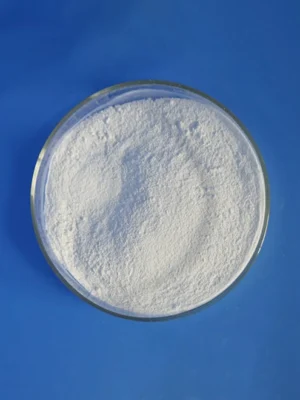
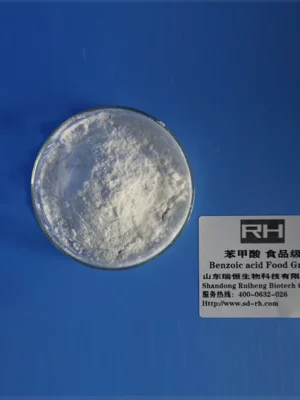
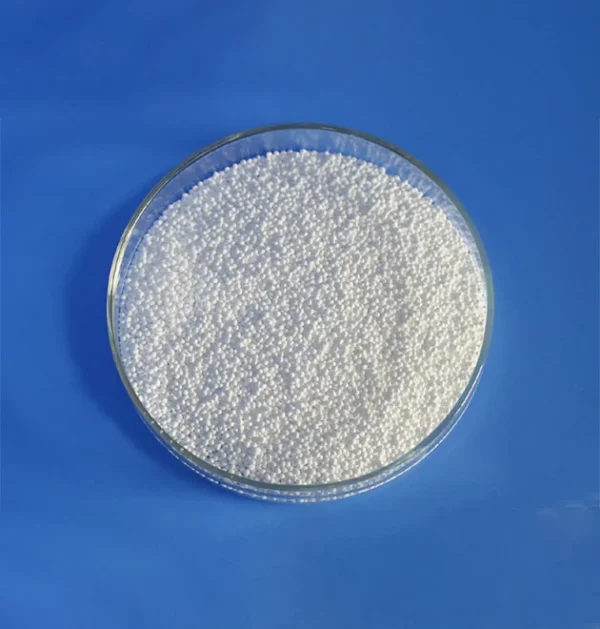
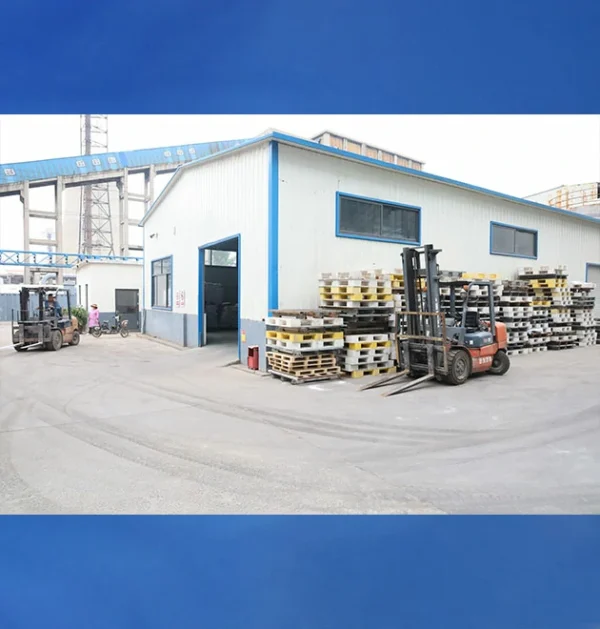
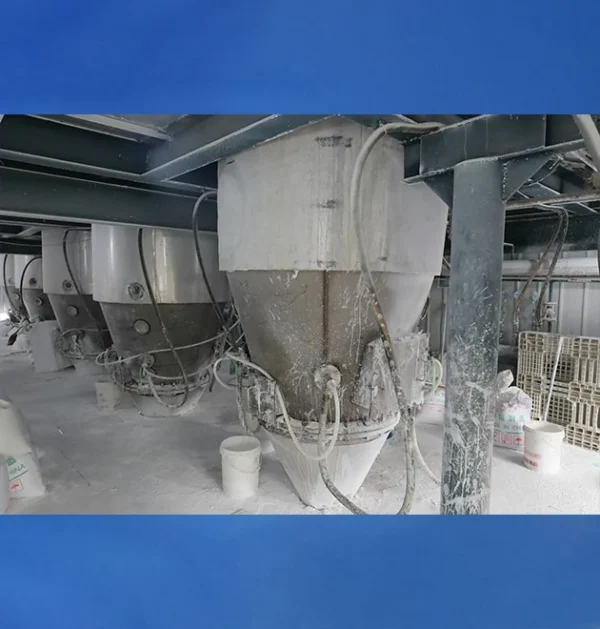
Sodium propionate E281 is widely used by food manufacturers as a critical mold inhibitor in bakery and acidic food applications, where preventing spoilage without disrupting formulation chemistry is essential. Manufactured by Shandong Ruiheng Biotechnology Co., Ltd. at our Tengzhou facility with an annual capacity of 30,000 metric tons, our product typically assays above 99.2% on a dried basis — tighter than the 1.0% specification limit. It appears as a white or colorless crystalline powder with faint propionic acid odor, freely soluble in water at 100 g per 100 mL at 15°C. The compound functions as an acid preservative: in acidic media, the propionate ion combines with hydrogen ions to form undissociated propionic acid, which penetrates microbial cell walls and lowers intracellular pH, inhibiting mold sporulation and aerobic bacillus growth. Unlike calcium propionate, the sodium salt introduces no calcium ions that would precipitate with bicarbonate from chemical leavening agents, making it the necessary choice for cake, tortilla, and chemically leavened bread formulations where yeast fermentation is absent.
The optimal antimicrobial pH range for propionates spans 2.5 to 5.5. Below this threshold, the undissociated acid fraction rises sharply; above it, antimicrobial efficacy drops because the ionized propionate cannot cross lipid membranes. Sodium propionate food grade performs at addition rates of 0.1% to 0.3% of flour weight in standard bakery recipes, though precise dosage depends on product water activity, pH, and target shelf life. In cheese and sauce applications, the same mechanism controls surface mold without the chalky aftertaste or turbidity that calcium salts can introduce in low-viscosity liquid systems.
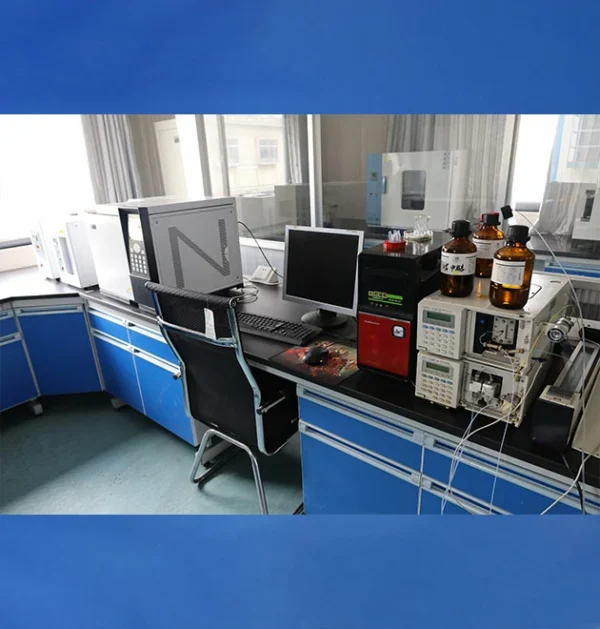
The 99.0% minimum assay specification, measured on a dried basis, leaves minimal room for sodium carbonate residue and moisture. Excess alkalinity would shift formulation pH upward, reducing the undissociated propionic acid fraction and weakening mold inhibition. At the labeled purity, the sodium propionate E281 grade maintains consistent buffering capacity in acidic matrices, which supports reliable antimicrobial performance across batch-to-batch variation in raw material pH.
Water solubility at 100 g per 100 mL at 15°C exceeds that of calcium propionate by more than twofold. In liquid seasoning and sauce production, this solubility difference eliminates the need for extended mixing times or elevated temperatures to achieve complete dissolution. The sodium salt disperses uniformly in aqueous phases within minutes, preventing localized concentration gradients that would create zones of insufficient preservation or off-flavor hotspots.
The pH of a 10% aqueous solution falls between 7.5 and 10.0, indicating mild alkalinity in concentrated form. When blended into acidic dough or batter at typical addition rates, this alkalinity does not override the natural pH of the system; instead, it provides a controlled release of propionate ions that gradually acidify as they equilibrate with the food matrix. This behavior prevents the sharp pH spikes that rapid-acid preservatives can cause, protecting sensitive flavor compounds and protein structures.
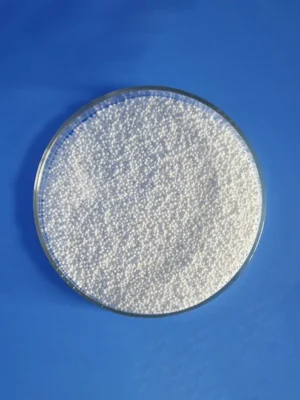
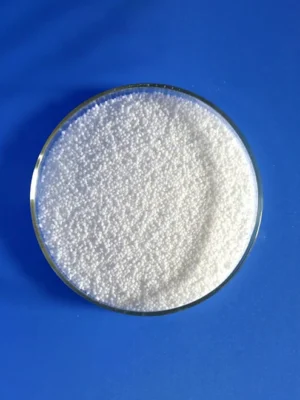
Granular sodium propionate with controlled particle size distribution between 40 and 80 mesh reduces dusting during dry blending operations and improves flowability in pneumatic conveying systems. In high-speed premix plants, powder fines below 200 mesh segregate by particle density during transport and clog baghouse filters. The granular form maintains bulk density consistency, which supports automated dosing accuracy within ±0.5% deviation and reduces operator exposure to airborne particulates.
Liquid propionate solutions at 20% to 30% concentration, prepared in deionized water under nitrogen blanketing, eliminate dust generation entirely and integrate directly into continuous liquid dosing systems. For manufacturers running automated sauce or dressing lines, the liquid format removes the dissolution step, cuts batch cycle time by 15% to 25%, and eliminates the risk of undissolved crystals creating nucleation sites for microbial growth in finished product.
Custom blending with other propionates or organic acids allows formulation engineers to balance solubility, mineral contribution, and pH profile against specific product requirements. A blend of sodium propionate and potassium propionate, for example, delivers equivalent mold inhibition while reducing total sodium content for low-sodium label claims. The potassium salt contributes no sodium ions but shares the same propionate antimicrobial mechanism, so the blend maintains efficacy across the 2.5 to 5.5 pH active range.
If your formulation relies on chemical leavening with sodium bicarbonate and acidic phosphates, then sodium propionate food grade is the necessary propionate selection. Calcium ions from calcium propionate precipitate as calcium carbonate when encountering bicarbonate, releasing carbon dioxide prematurely and producing localized alkaline spots that disrupt crumb uniformity. Sodium propionate introduces monovalent sodium ions that do not participate in precipitation reactions, preserving the intended gas-release kinetics and final product texture. In our technical support experience, bakers running continuous mixers at 200 kg batch sizes report that granular sodium propionate at 40-60 mesh disperses within 90 seconds, versus 3-4 minutes for standard powder.
If your product is a clear beverage, sauce, or brine where calcium turbidity would compromise visual acceptance, then the sodium salt avoids the slight clouding that calcium propionate can cause at concentrations above 0.2% in low-ion-strength matrices. The sodium ion does not form insoluble complexes with common beverage anions such as citrate or phosphate at typical formulation pH, maintaining clarity through pasteurization and ambient storage.
Note: When formulating with sodium propionate food grade below pH 3.0, the undissociated propionic acid fraction rises above 80% and may contribute astringent, vinegar-like notes in sensitive flavor systems. Confirm sensory tolerance at the target addition rate before finalizing the formulation, particularly in mild-flavored products such as white bread or vanilla cake. For applications requiring preservation below pH 3.0 with minimal flavor impact, our food preservation category includes benzoate-based alternatives with lower taste thresholds in strongly acidic environments.
That said, sodium propionate E281 is not the appropriate choice for yeast-leavened breads where calcium fortification is desired or where the calcium ion’s dough-strengthening effect is part of the formulation design. In those cases, calcium propionate remains the standard propionate preservative. The sodium salt also contributes sodium to the final product, which matters for low-sodium claims where every milligram of added sodium must be accounted for in nutritional labeling.
| Parameter | Specification | Test Method / Reference |
|---|---|---|
| CAS Number | 137-40-6 | — |
| EINECS Number | 205-290-4 | — |
| E Number | E281 | EU Regulation 231/2012 |
| INS Number | 281 | Codex Alimentarius |
| Chemical Formula | C₃H₅NaO₂ | — |
| Molecular Weight | 96.06 g/mol | — |
| Appearance | White or colorless crystalline powder or granular | Visual |
| Odor | Faint propionic acid odor | Organoleptic |
| Assay (dried basis) | ≥ 99.0% as C₃H₅NaO₂ | Perchloric acid titration |
| Loss on Drying | ≤ 1.0% at 105°C, 3 hours | Gravimetric |
| pH (10% aqueous solution) | 7.5 – 10.0 at 25°C | pH meter |
| Water Solubility | 100 g / 100 mL at 15°C | — |
| Ethanol Solubility | 4.4 g / 100 mL | — |
| Iron (as Fe) | ≤ 30 mg/kg | Colorimetric |
| Heavy Metals (as Pb) | ≤ 10 mg/kg | Limit test |
| Arsenic (as As) | ≤ 3 mg/kg | Limit test |
| Matter Insoluble in Water | ≤ 0.1% | Gravimetric |
At 96.06 g/mol molecular weight and 100 g per 100 mL water solubility, a 0.2% addition rate in a standard bakery dough equates to approximately 20.8 mmol per kilogram of flour. The propionate ion concentration at this loading, distributed uniformly through the aqueous phase of the dough, generates sufficient undissociated propionic acid at pH 4.5 to 5.5 to exceed the minimum inhibitory concentration for common bread mold species. Below pH 4.5, the undissociated fraction rises further, which extends the antimicrobial margin but requires sensory validation for flavor impact in delicate products.
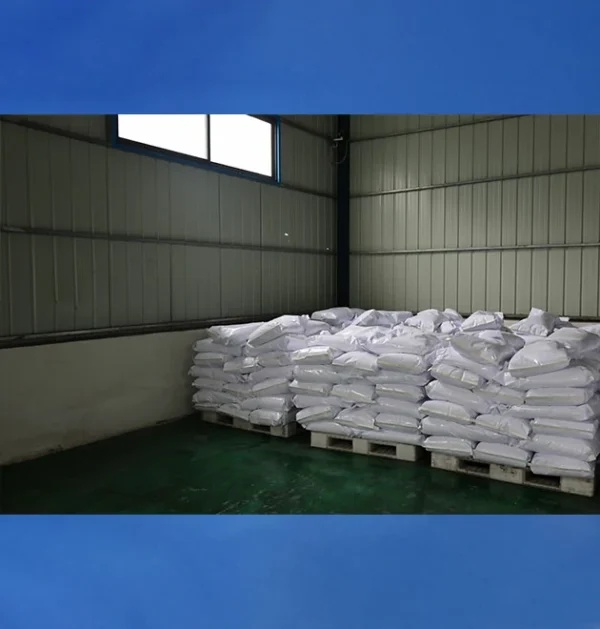
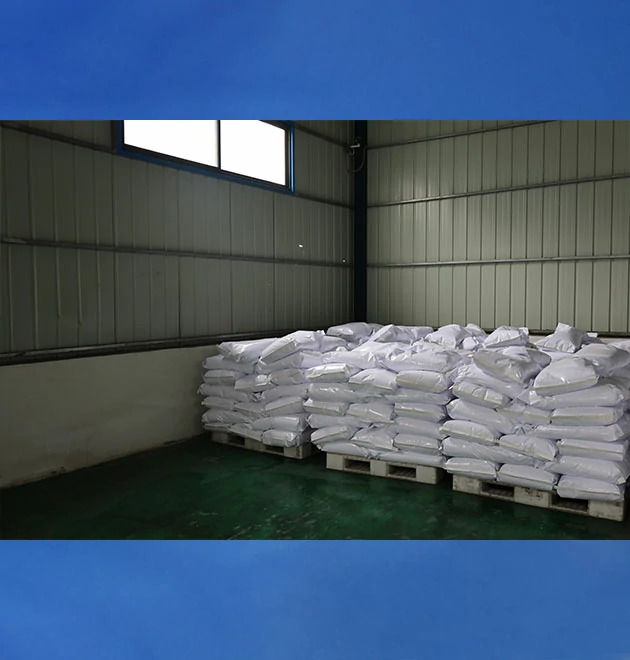
Sodium propionate food grade is hygroscopic and should be stored in a cool, dry warehouse with relative humidity below 60%. Exposure to moist air causes deliquescence, which forms lumps and raises surface water activity, accelerating microbial contamination of the preservative itself. Sealed original packaging should remain intact until use; partial bags should be resealed immediately after dispensing to minimize moisture uptake.
Direct sunlight and heat sources should be avoided. Elevated storage temperatures above 35°C do not typically degrade the sodium salt, though they can accelerate caking in bags that have already absorbed atmospheric moisture. Pallets should be stored on raised platforms, not directly on concrete floors, to prevent condensation wicking during temperature fluctuations.
For detailed safety information, please refer to the latest SDS.
Sodium propionate food grade dissolves at 100 g per 100 mL water, roughly 2.5 times faster than calcium propionate. In chemically leavened products, the sodium salt avoids calcium-bicarbonate precipitation that disrupts gas release and crumb structure. Calcium propionate remains the standard for yeast-leavened breads where calcium fortification and dough strengthening are desired. The choice depends on leavening chemistry and mineral contribution requirements.
The propionate ion releases undissociated propionic acid in acidic environments. At pH 4.5, approximately 50% of the propionate exists in the active undissociated form; below pH 3.5, this fraction exceeds 80%. Above pH 5.5, antimicrobial activity drops because the ionized form cannot penetrate microbial cell membranes. Formulators should target pH 4.0 to 5.5 for optimal mold inhibition while monitoring sensory impact in delicate flavor systems.
Yes. Sodium propionate primarily inhibits mold and aerobic bacilli with minimal effect on yeast. Pairing it with potassium sorbate extends coverage to yeast and certain Gram-negative bacteria in pH ranges below 4.5. Custom blending services can adjust the ratio based on target microflora, water activity, and regulatory limits for combined preservative use in the destination market.
Yes. Feed grade sodium propionate shares the same CAS 137-40-6 and propionate antimicrobial mechanism but is positioned for silage preservation, poultry feed, and ruminant nutrition where mold control during storage and metabolic energy support are the primary objectives. The feed grade specification emphasizes thermal stability through pelleting and bulk packaging for automated feed mill operations rather than food additive regulatory compliance.
Standard MOQ is 1000 kg with a 2-week lead time from order confirmation. For first-time buyers evaluating formulation compatibility, 25 kg sample orders are available through our technical sales team.
Need sodium propionate food grade for your bakery, sauce, or cheese formulation? Send your specification requirements and target application details. Our team reviews pH profiles, water activity targets, and regulatory destination to confirm grade selection and recommend addition rates.