





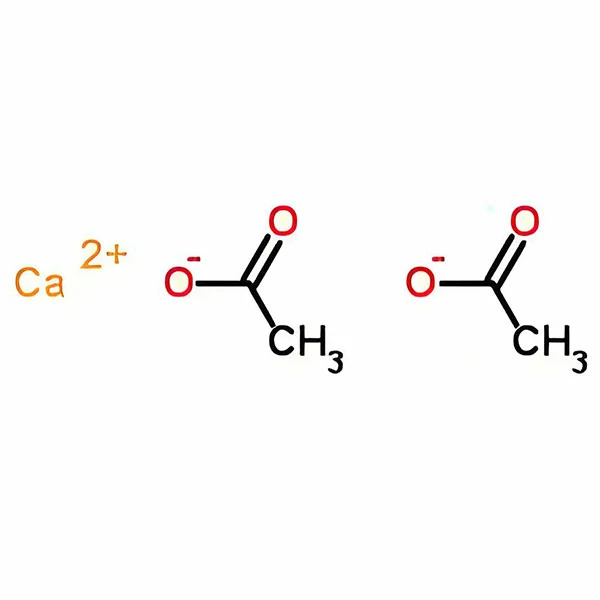
Beverage and bakery formulations that call for food grade calcium acetate as a calcium fortificant and pH buffer frequently pass early bench trials, then show inconsistent dissolution or buffering drift once batch-to-batch moisture content shifts within the standard loss-on-drying allowance. Calcium acetate (CAS 62-54-4) is the calcium salt of acetic acid, supplied as a buffering agent, chelating aid, and calcium source across food, pharmaceutical, and industrial-grade specifications.
Technical Support Ensure compliance and safety with our comprehensive product documentation.
Food and beverage manufacturers need a calcium source that dissolves easily and maintains consistent formulation performance during processing. Our food grade calcium acetate provides stable calcium fortification and reliable buffering for beverages, bakery products, and canned vegetables.
We supply anhydrous, trihydrate, and granular forms from our Shandong Ruiheng Biotechnology facility. Manufactured in strict accordance with GB 1903.15-2016 requirements, our production supports FCC and USP-NF documentation where applicable for global food manufacturers.
Depending on your specific formulation goals, you may also be interested in:
| Parameter | Value |
|---|---|
| CAS Number | 5743-26-0 (Calcium acetate monohydrate, commonly supplied food grade form); 62-54-4 (anhydrous) |
| E Number / INS | E263 (INS 263) |
| Molecular Formula | Ca(C₂H₃O₂)₂ (anhydrous); C₄H₆CaO₄·H₂O (monohydrate) |
| Molecular Weight | 158.17 g/mol (anhydrous) |
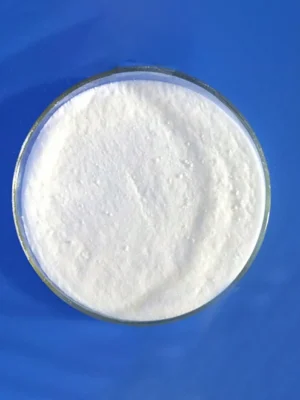
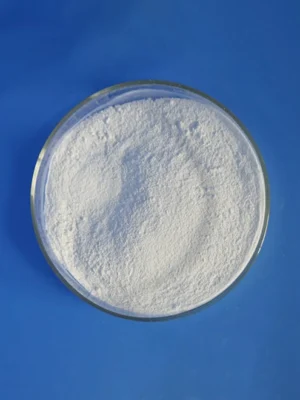
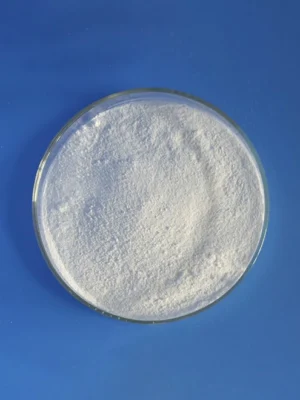
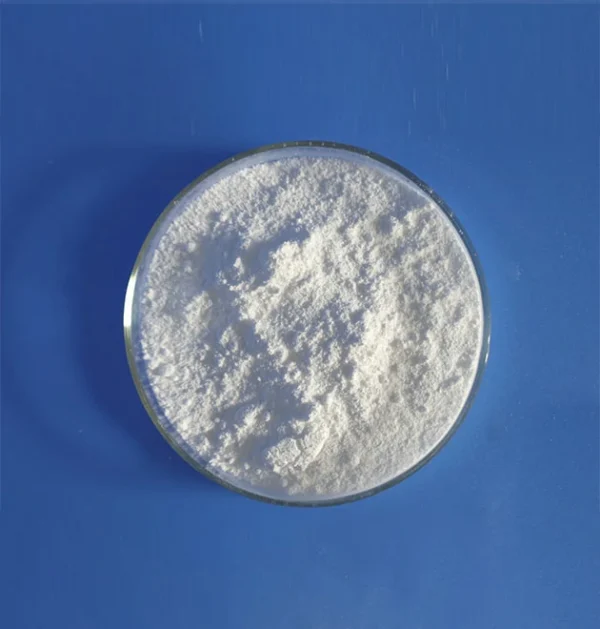
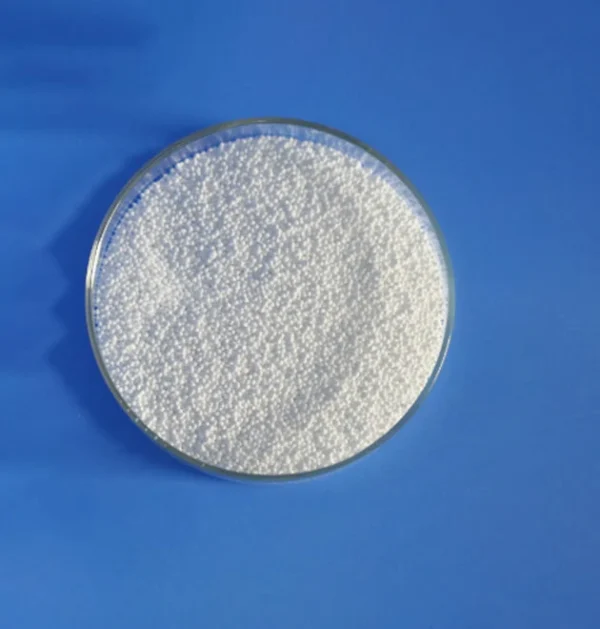
| Appearance | White powder or granules |
| Solubility in Water | Freely soluble, approx. 35–40 g/100 mL at 20°C |
| pH (5–10% aqueous solution) | 6.0 – 8.0 |
| Assay (dry basis, Food Grade) | ≥ 98.0% |
| Loss on Drying | ≤ 7.0% |
| Chlorides (as Cl⁻) | ≤ 0.05% |
| Sulfates (as SO₄²⁻) | ≤ 0.10% |
| Heavy Metals (as Pb) | ≤ 2 mg/kg |
| Arsenic (As) | ≤ 2 mg/kg |
Food grade calcium acetate (E263) is listed as INS 263 under international food additive classifications. Please request a batch-specific COA to confirm exact values for your order and regulatory filing.
Note: Calcium acetate functions primarily as a buffering agent and calcium source. It does not replace antimicrobial preservatives. Formulations requiring both calcium fortification and microbial control should pair it with a dedicated preservation system.
Both are used for pH buffering, but calcium acetate additionally supplies bioavailable calcium as a nutritional fortificant and acts as a firming agent. Sodium acetate is typically selected purely for buffering or flavor applications where sodium addition is acceptable.
It maintains a near-neutral pH (6.0–8.0) in solution. This lets it stabilize acidity in processed foods and support dough conditioning without pushing the formulation toward the lower pH range that acidic calcium salts would introduce.
Food grade requires ≥ 98.0% assay with heavy metals under 2 mg/kg (FCC/GB standards). Pharmaceutical grade enforces stricter elemental impurity limits (e.g., lead, barium) for medical use. Industrial grade only requires a 98.0% assay minimum for non-ingestive applications.
Yes, food manufacturers use calcium acetate in selected beverage formulations for calcium fortification due to its high water solubility. It is also widely used as a firming agent in canned vegetables and a buffer in baked goods.
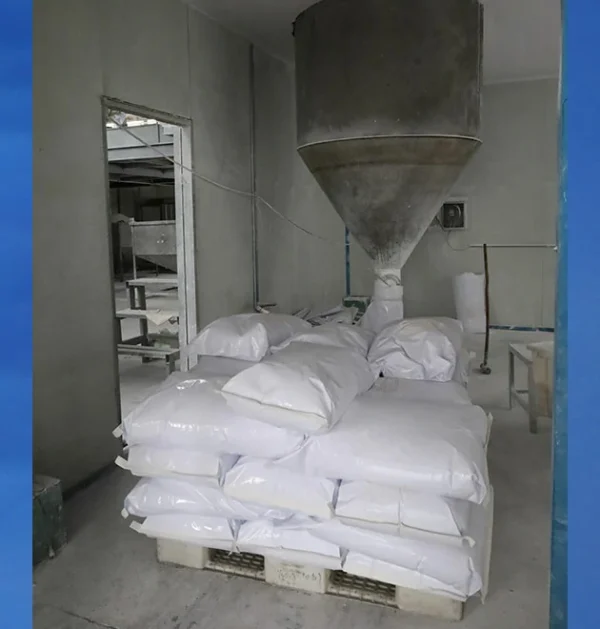
Food grade calcium acetate is supplied for bulk B2B food ingredient procurement. Request a quotation to ensure formulation consistency, including COA, TDS, MSDS, sample availability (up to 500 g), and export documentation.