

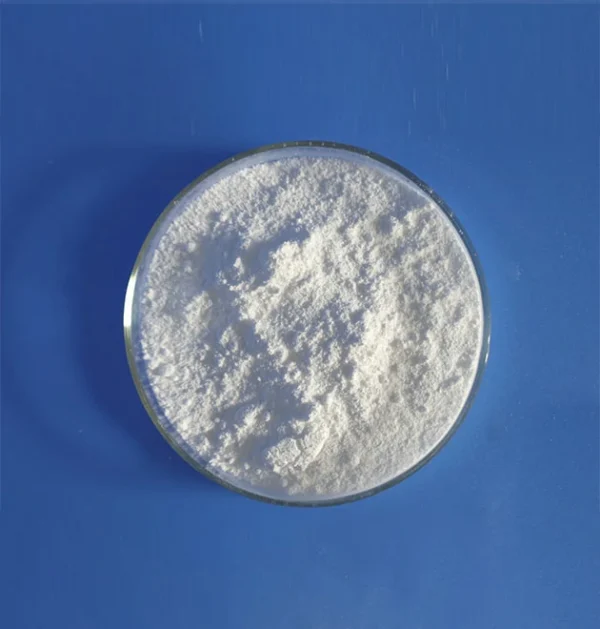
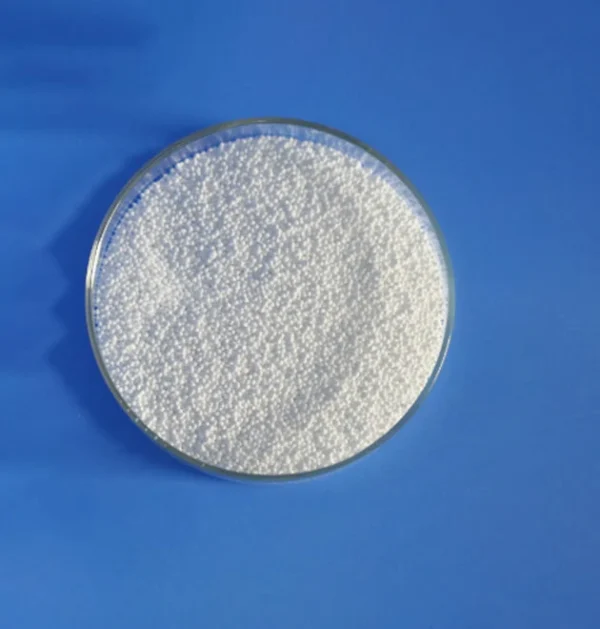





Maintaining consistent feed quality can be challenging, especially in humid storage environments where pH changes may affect feed stability. Our feed grade calcium acetate provides a reliable calcium source with mild buffering properties, helping feed manufacturers improve formulation consistency in compound feed, premixes, and animal nutrition applications.
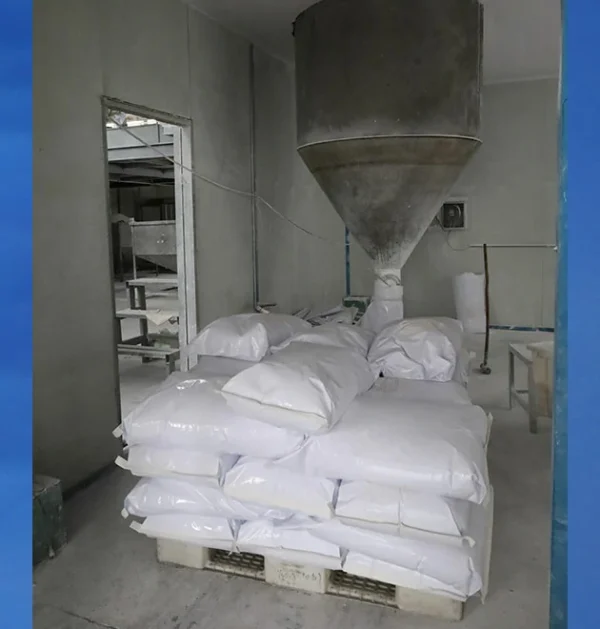
Manufactured by Shandong Ruiheng Biotechnology, our calcium acetate is produced under strict quality control with stable specifications, batch traceability, and complete export documentation to support global feed additive buyers.
Feed mills often struggle with maintaining consistent pH and calcium levels in compound feed during humid storage. Our feed grade calcium acetate provides a reliable calcium source and mild acidification effect to support feed quality in premixes and animal nutrition applications.
It provides a specification optimized for animal nutrition applications while maintaining consistent quality, batch traceability, and comprehensive export documentation from our Shandong Ruiheng Biotechnology facility.
Note: This feed-grade specification is designed strictly for animal nutrition. For buffering or calcium fortification in human food applications, see our food grade calcium acetate specification.
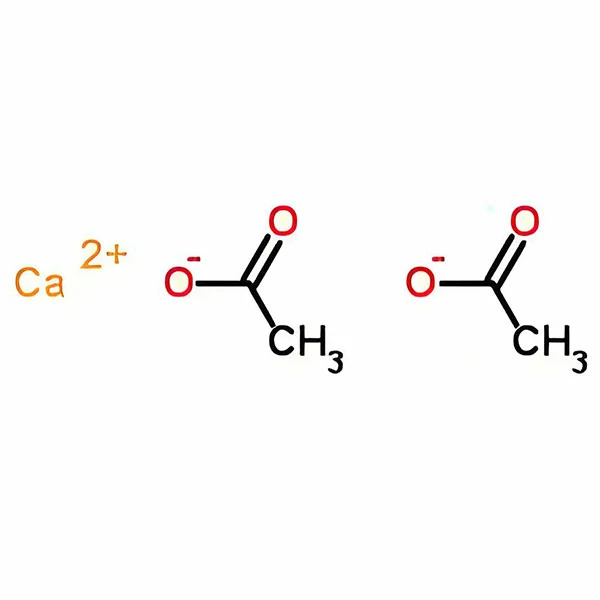
| Parameter | Value |
|---|---|
| CAS Number | 5743-26-0 (monohydrate); 62-54-4 (anhydrous) |
| EINECS Number | 200-540-9 |
| Molecular Formula | Ca(C₂H₃O₂)₂ (anhydrous); C₄H₆CaO₄·H₂O (monohydrate) |
| Molecular Weight | 158.17 g/mol (anhydrous) |
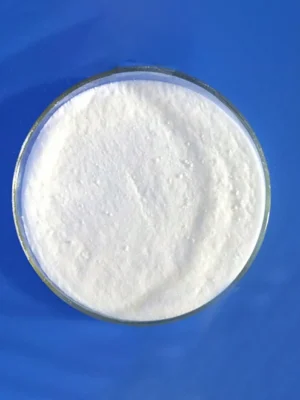
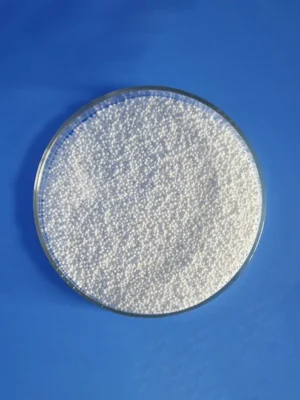
| Appearance | White powder or fine granules |
| Solubility in Water | Freely soluble, approx. 35–40 g/100 mL at 20°C |
| pH (5–10% aqueous solution) | 6.0 – 8.0 |
| Assay (dry basis, Feed Grade) | ≥ 98.0% |
| Loss on Drying | ≤ 7.0% |
| Chlorides (as Cl⁻) | ≤ 0.05% |
| Sulfates (as SO₄²⁻) | ≤ 0.10% |
| Heavy Metals (as Pb) | ≤ 10 mg/kg |
| Arsenic (As) | ≤ 3 mg/kg |
Feed grade carries a heavy metal limit of 10 mg/kg and follows feed additive regulatory frameworks, while food grade tightens this to 2 mg/kg for direct human consumption. Feed grade optimizes for calcium supplementation and mild acidification in animal nutrition, whereas food grade prioritizes buffering capacity and sensory neutrality in beverages and baked goods.
It helps maintain feed quality by supporting pH control during storage. The mechanism relies on gradual acid release, which sustains protective acidity without the aggressive pH drop that strong mineral acids would cause.
Addition rates vary by feed moisture, storage climate, and target species. Nutritionists generally determine inclusion based on the feed matrix water activity and anticipated storage duration. Buyers should request a formulation review to establish an optimized addition rate for their specific conditions.
It can supplement silage systems by providing buffering effects and supplemental calcium, but it does not deliver the same rapid, strong antifungal action as propionic acid. Nutritionists should weigh the forage moisture content and fermentation speed requirements when choosing between the two.
Feed grade calcium acetate is supplied exclusively for bulk B2B feed additive and animal nutrition procurement. Contact us for cost-effective bulk supply, including COA, TDS, MSDS, sample availability (up to 500 g), and export documentation.
Reviews
There are no reviews yet.