
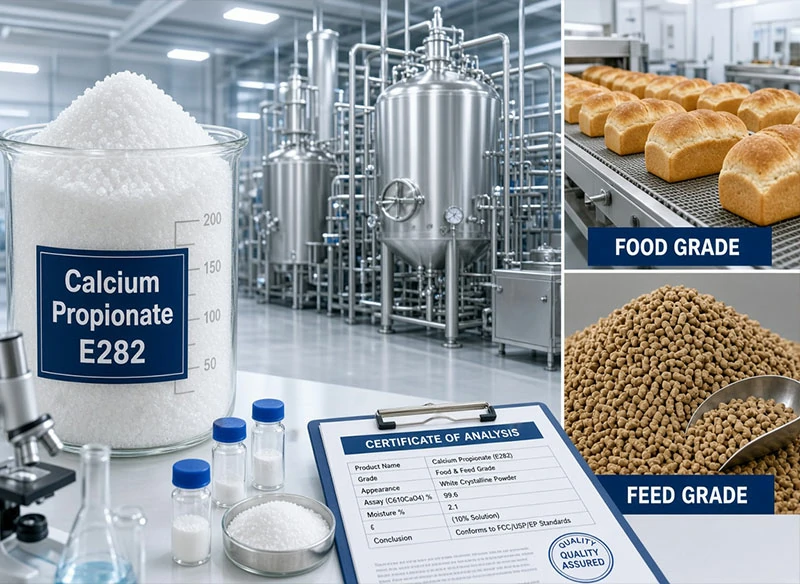
Calcium propionate (E282) is a propionic acid salt widely used as an antimicrobial agent and mold inhibitor. Food grade calcium propionate is mainly used in bakery preservation, processed cheese, and soy sauce, while feed grade calcium propionate is commonly used for mold control in compound feed, silage, and grain storage applications. It effectively suppresses mold and rope-spoilage bacteria while having minimal impact on yeast fermentation.
Humidity and temperature swings in global supply chains make mold control harder every year. Calcium propionate (CAS 4075-81-4) remains a standard preservative in both human food and animal nutrition. This guide gives formulators, procurement managers, and nutritionists the specs, application logic, and sourcing details they need, based on real manufacturing experience.
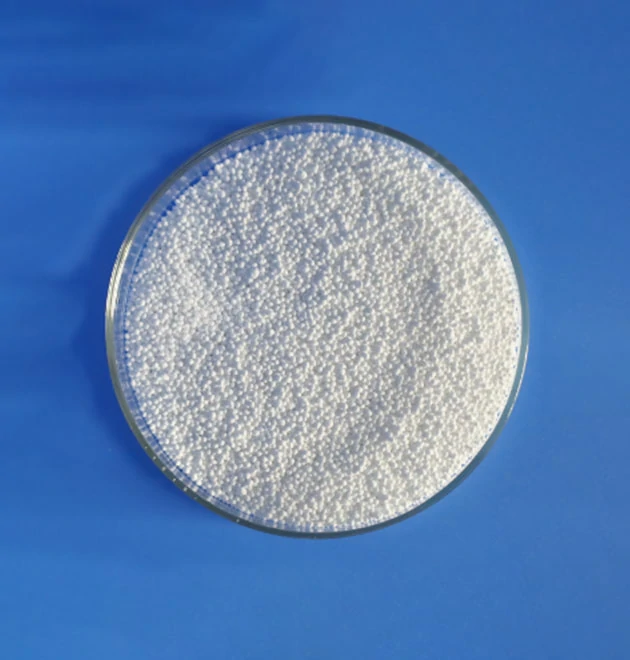
Both grades share the same chemical formula (C₆H₁₀CaO₄), but regulations set different limits for impurities and moisture. Whether you are sourcing food grade calcium propionate for human consumption or feed grade calcium propionate for animal nutrition, the table below compares our actual manufacturing standards (FCC / GB1886.356-2022 vs. Enterprise Feed Standards).
| Parameter | Food Grade (FCC / GB1886.356-2022) | Feed Grade (Q/SDRH) |
|---|---|---|
| CAS Number | 4075-81-4 | 4075-81-4 |
| Assay (Dry Basis) | 99.0% – 100.5% | ≥ 99.0% |
| Loss on Drying | ≤ 5.0% (FCC) / ≤ 9.5% (GB) | ≤ 9.5% |
| Lead (Pb) | ≤ 2 mg/kg (FCC) / ≤ 10 mg/kg (GB) | ≤ 10 mg/kg |
| Fluoride (F) | ≤ 0.003% (30 mg/kg) | ≤ 30 mg/kg |
| Arsenic (As) | ≤ 3.0 mg/kg | ≤ 3.0 mg/kg |
| Heavy Metals (As Pb) | ≤ 10 mg/kg | ≤ 10 mg/kg |
| Calcium Contribution | approx. 21% Ca | approx. 21% Ca |
Note: Food formulators targeting strict FCC compliance should specify the ≤5.0% moisture and ≤2 mg/kg Pb limits during procurement. See our full Propionates Series for more options.
Dosage depends on substrate moisture, ambient temperature, and target shelf life. The data below comes from standard formulation practices:
| Industry / Application | Recommended Dosage | Key Function |
|---|---|---|
| Bread & Yeast-leavened Products | 0.15% – 0.315% | Mold inhibition without affecting yeast rise |
| Cakes & Sweet Bakery (Chemically leavened) | 0.15% – 0.3% | Shelf-life extension (Note: Sodium propionate is often preferred to avoid calcium interference with leavening agents) |
| Candy & Cheese | 0.1% – 0.3% | Surface mold prevention & shelf-life extension |
| Soy Sauce & Condiments | 0.1% – 0.25% | Prevents secondary fermentation |
| Compound Feed & TMR | 1.0 – 3.0 kg/ton | Mold control in high-moisture rations |
| Silage & Haylage | 2.0 – 4.0 kg/ton | Aerobic stability during feed-out |
*Disclaimer: Dosage ranges are typical reference values. Actual usage should be validated based on specific formulations, target shelf life, and local food/feed safety regulations.
Calcium propionate works by releasing propionic acid in the moisture films of the substrate. The undissociated acid penetrates microbial cell membranes, disrupting enzyme activity and nutrient uptake.
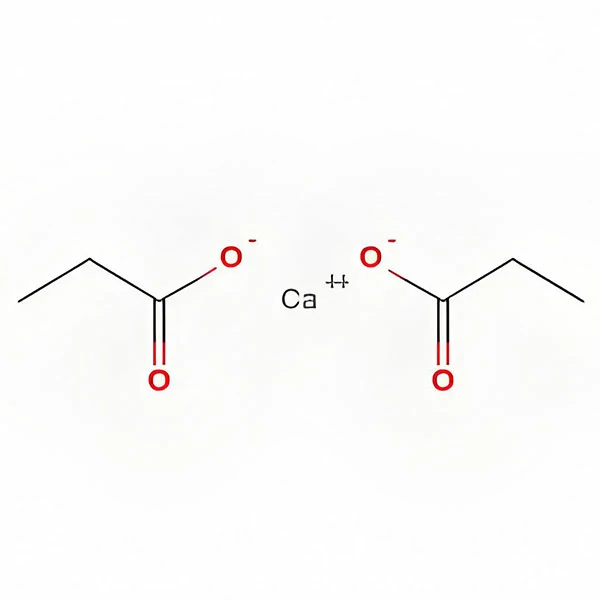
Calcium propionate is globally recognized and heavily regulated to ensure safety:
Clean-label trends have pushed some artisanal bakeries toward fermented wheat or cultured dextrose alternatives. But for large-scale industrial bakeries and global feed mills, calcium propionate remains the standard preservative — it’s cost-effective, stable above 200°C baking temperatures, and gives predictable shelf-life extension. Formulators who need natural alternatives typically blend organic acids or switch to modified atmosphere packaging (MAP).
A specialized manufacturer gives you more direct communication, better traceability, and more flexible documentation than a large trading company. When sourcing from China, check the manufacturer’s actual production capacity and quality control systems first. As a direct manufacturer, we produce both food grade and feed grade calcium propionate on dedicated lines to ensure strict quality control and prevent cross-contamination.
Shandong Ruiheng Biotechnology Co., Ltd. is a dedicated manufacturer of food and feed additives located in the Lunan Hi-Tech Chemical Park, Tengzhou City, China. Key Manufacturing Metrics:
Based on our export experience supplying calcium propionate to global food and feed industries, buyers typically prioritize moisture control, packaging integrity, and grade-specific documentation (COA/MSDS) before finalizing price.
E282 is primarily used as a mold inhibitor and preservative. In the food industry, it extends the shelf life of bread, baked goods, and dairy products without affecting yeast fermentation. In agriculture, it is used to prevent mold and aerobic deterioration in compound feed and silage.
Yes. It is globally recognized as safe. The FDA affirms it as GRAS (Generally Recognized As Safe), and EFSA authorizes it as E282. It is naturally metabolized by the human body in the same way as propionic acid found in Swiss cheese.
It inhibits mold and rope-spoilage bacteria while having minimal impact on yeast activity at recommended levels (0.15% – 0.315%). Bakers can extend shelf life while the dough rises normally.
Both share a ≥99.0% assay. However, strict Food Grade standards (like FCC) tighten Lead (Pb) limits to ≤2 mg/kg and cap Loss on Drying at ≤5.0%, whereas Feed Grade allows up to 10 mg/kg Pb and ≤9.5% moisture.
When stored in tightly sealed containers in a cool, dry place and protected from moisture, the shelf life is two years (24 months) from the manufacturing date.
The global Harmonized System (HS) code for calcium propionate is 29155090. It is not classified as dangerous goods for ocean or air freight.
Professional buyers should request a batch-specific Certificate of Analysis (COA), Technical Data Sheet (TDS), Material Safety Data Sheet (MSDS), and relevant certifications (ISO, HALAL, KOSHER) to verify heavy metal and moisture limits.
You can source directly from Shandong Ruiheng Biotechnology Co., Ltd., located in the Lunan Hi-Tech Chemical Park, Shandong Province. With a 30,000 MT annual capacity and ISO/HALAL/KOSHER certifications, it provides competitive manufacturer-direct supply solutions and global export logistics.